
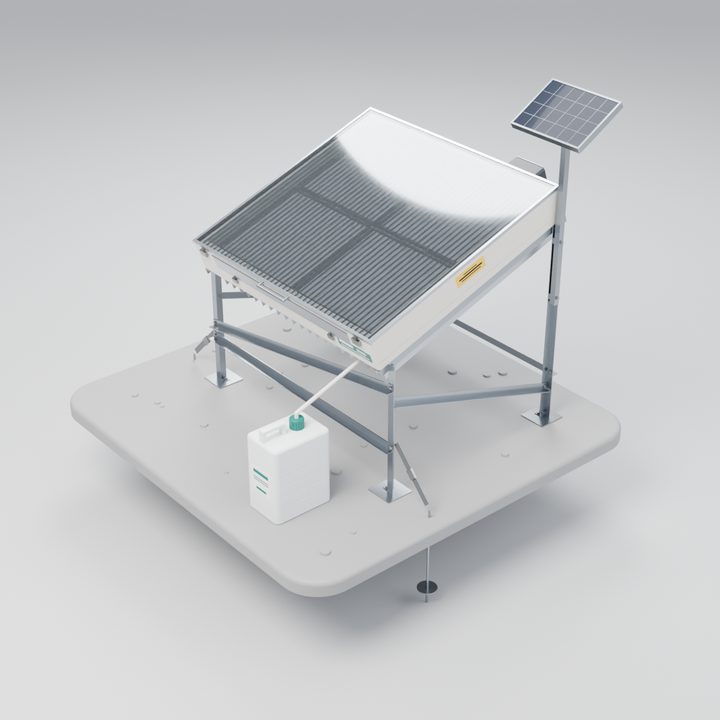
DewDrive
Harvests drinking water from humid air with no grid connection.
- Area
- Water
- Maturity
- TRL 3
- Build envelope
- $520
Open hardware and engineering designs, published in full: calculations, CAD models, drawings and priced bills of materials, so anyone can study, build and improve them.
92 designs on show. Every design, all 100+, is on GitHub.
Harvests drinking water from humid air with no grid connection.
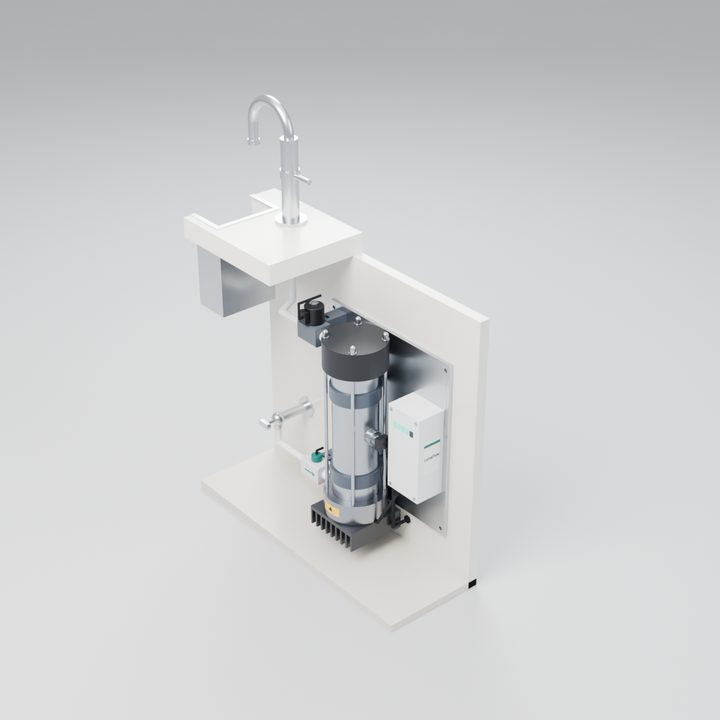
Flow-through UV water disinfection built from common parts.
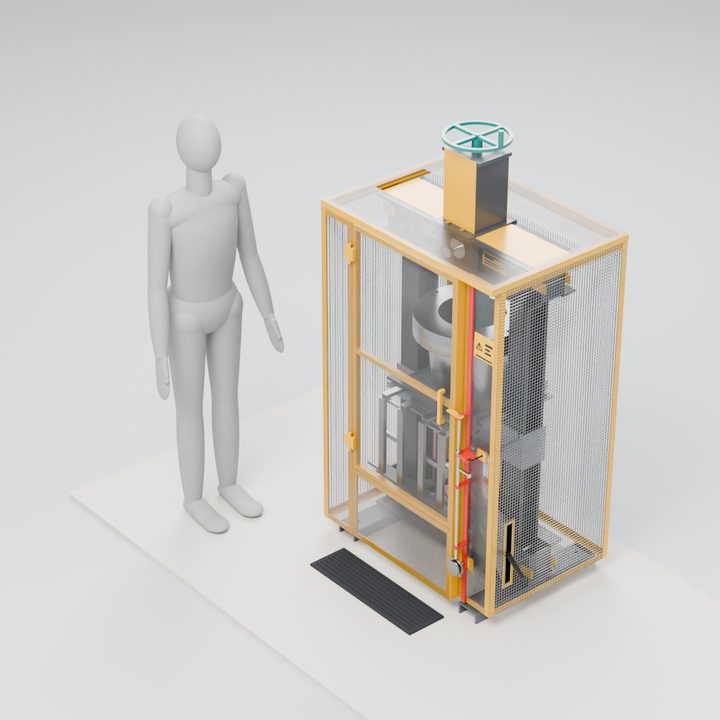
A press and test jig for making silver-treated ceramic pot filters locally.
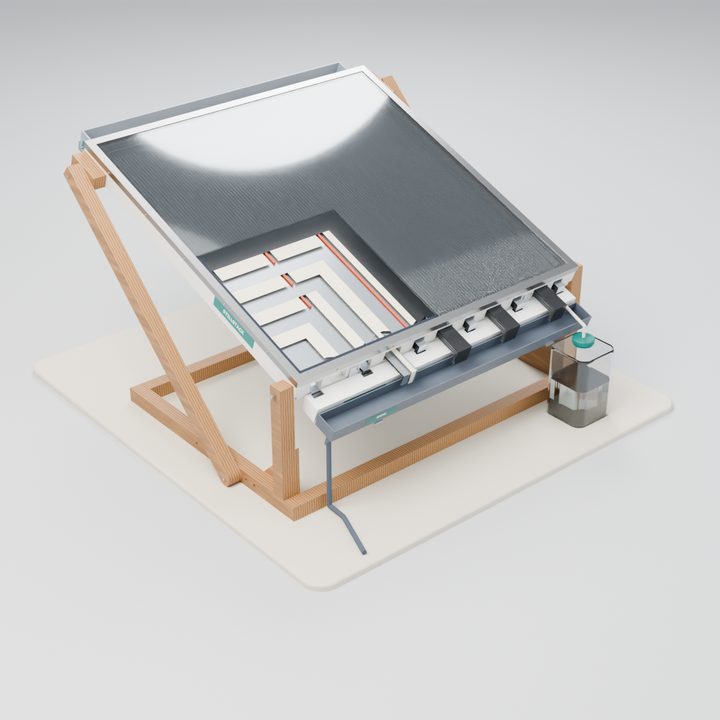
A multi-stage solar still that reuses its own heat at every stage.
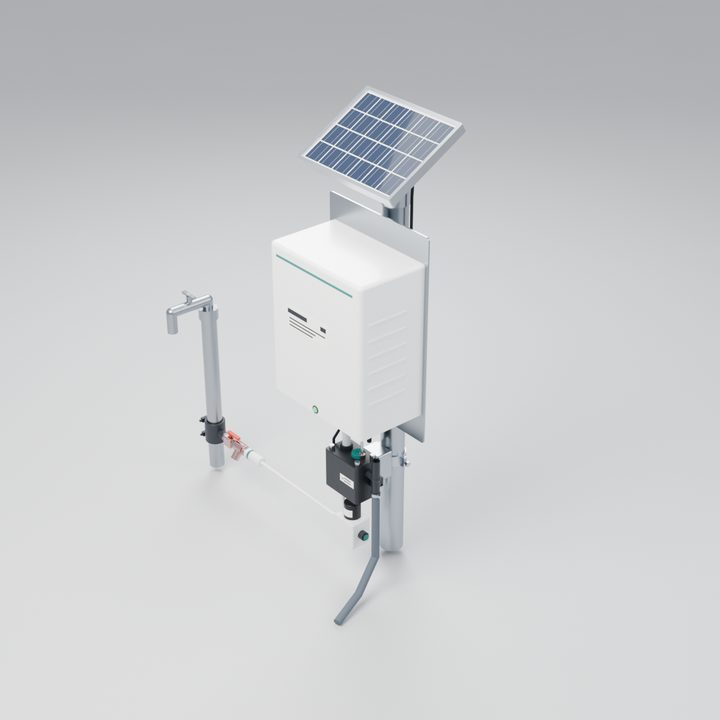
A solar sensor that logs water quality at a tap or tank and sends alerts.
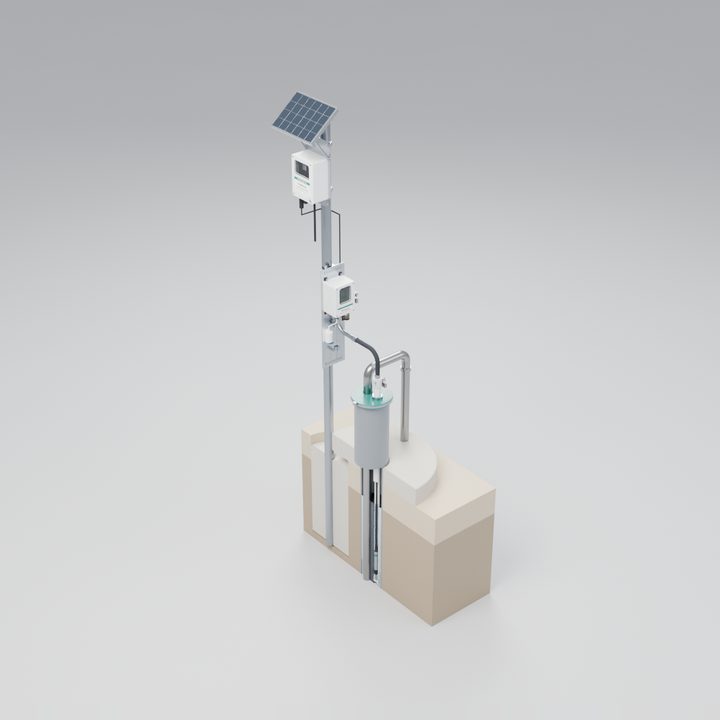
Logs well and borehole levels so communities can share groundwater fairly.
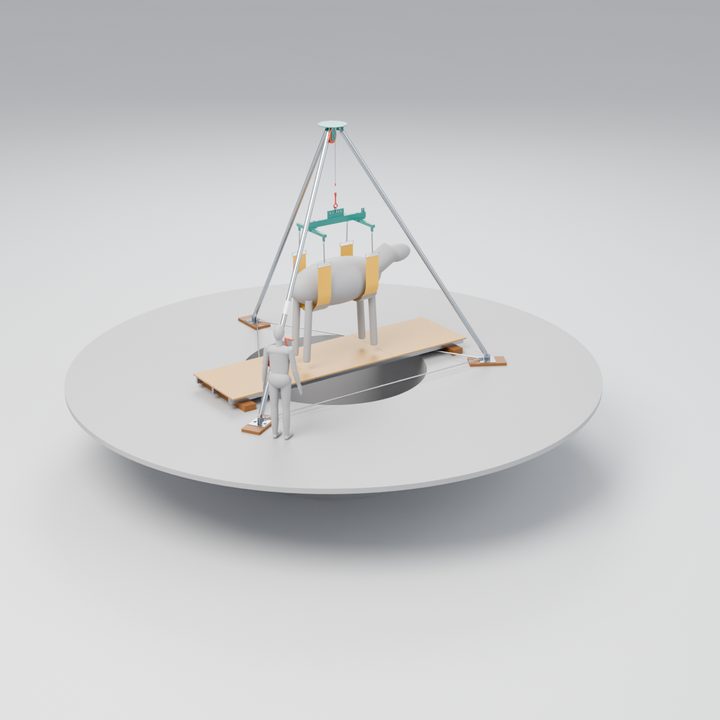
Lifts a fallen animal out of an open well from the rim, so nobody climbs down.
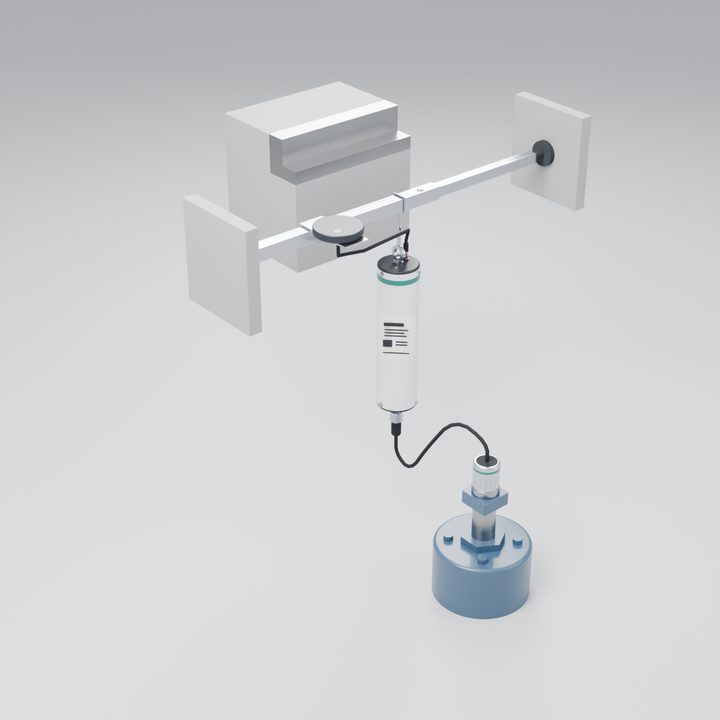
Clamps onto water mains and listens overnight for leaks.
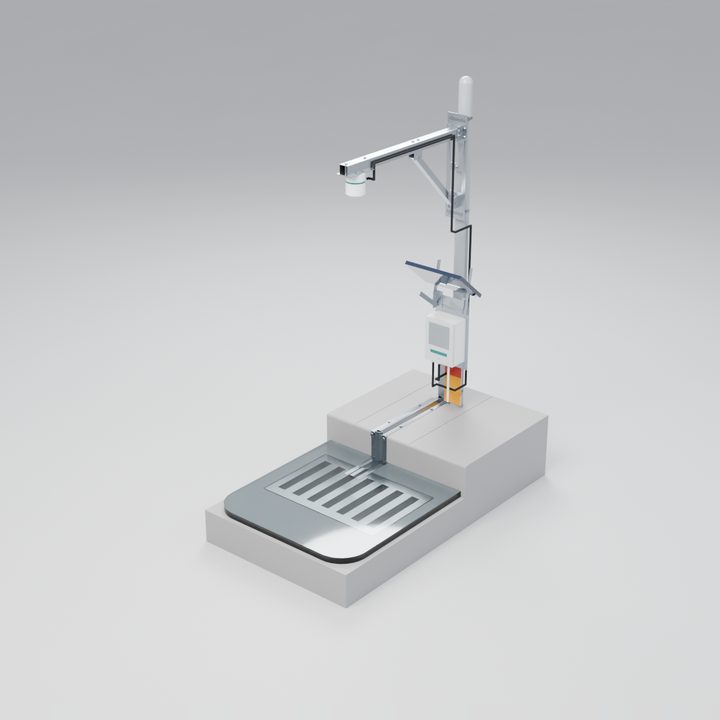
Watches street and drain water levels and warns before streets flood.
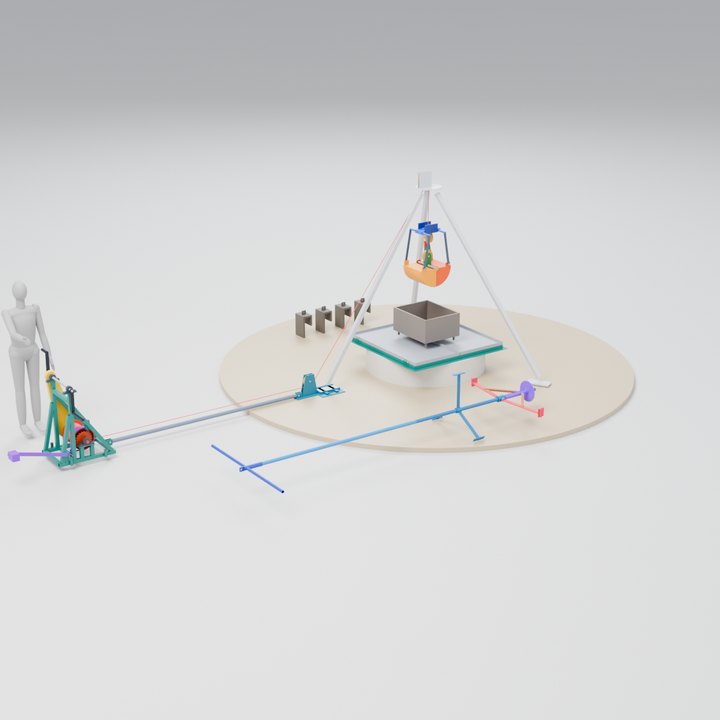
Deepens village wells under water with a rope grab and under-curb scraper, without divers or pumps.
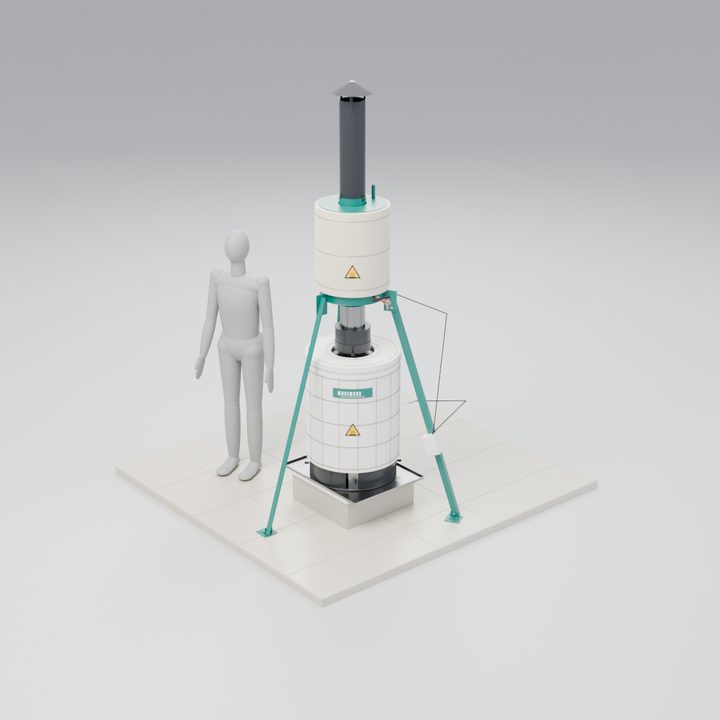
A retort kiln that turns farm waste into biochar and hot water.
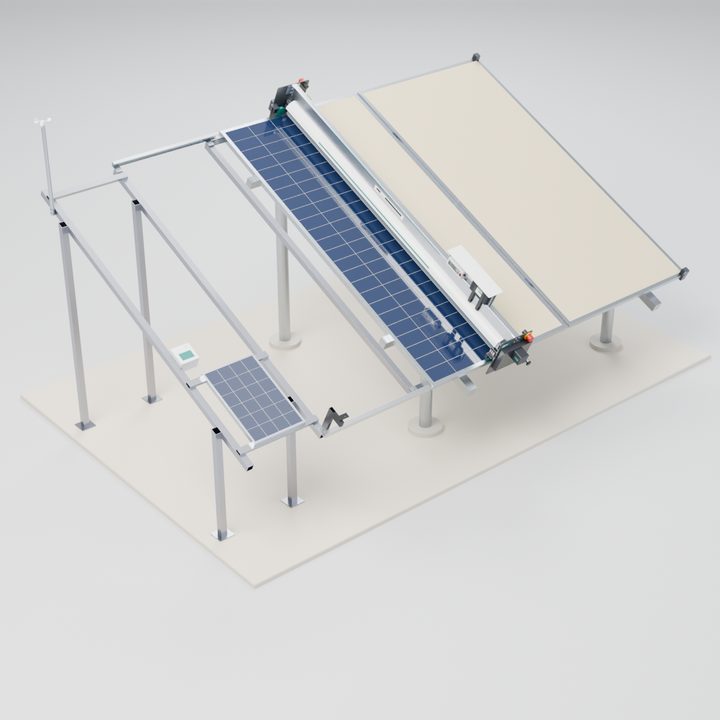
A crawler robot that dry-cleans solar panel rows without rails.
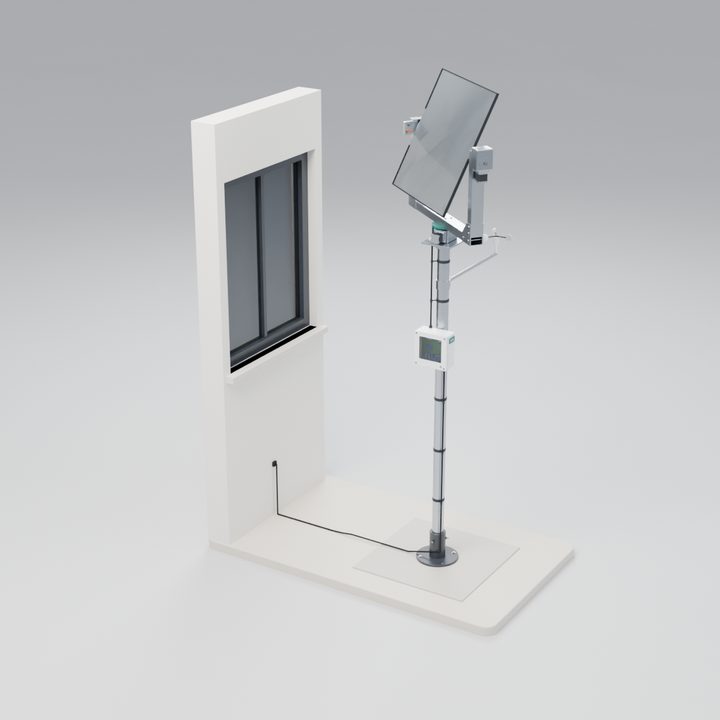
A small mast-mounted heliostat that aims sunlight at a fixed target.
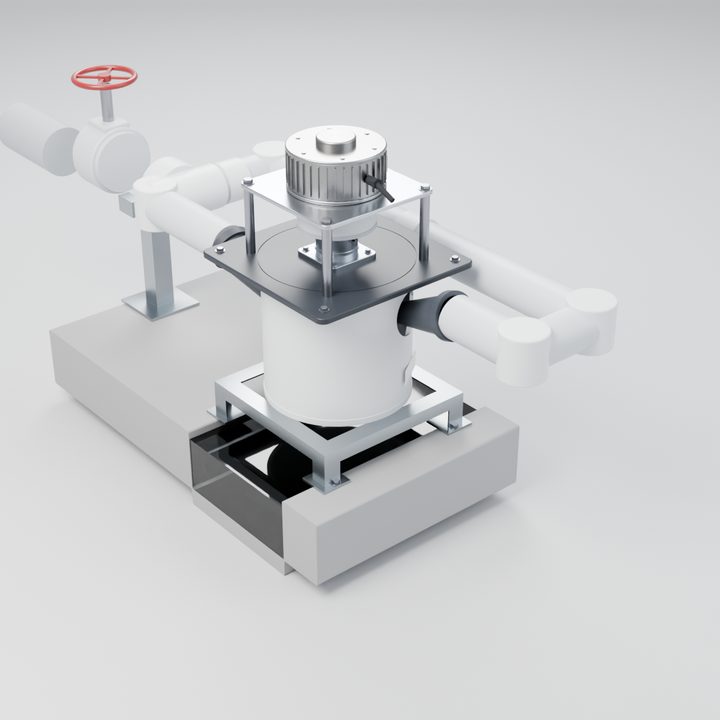
A printed micro-hydro turbine for streams, built around a stock motor.
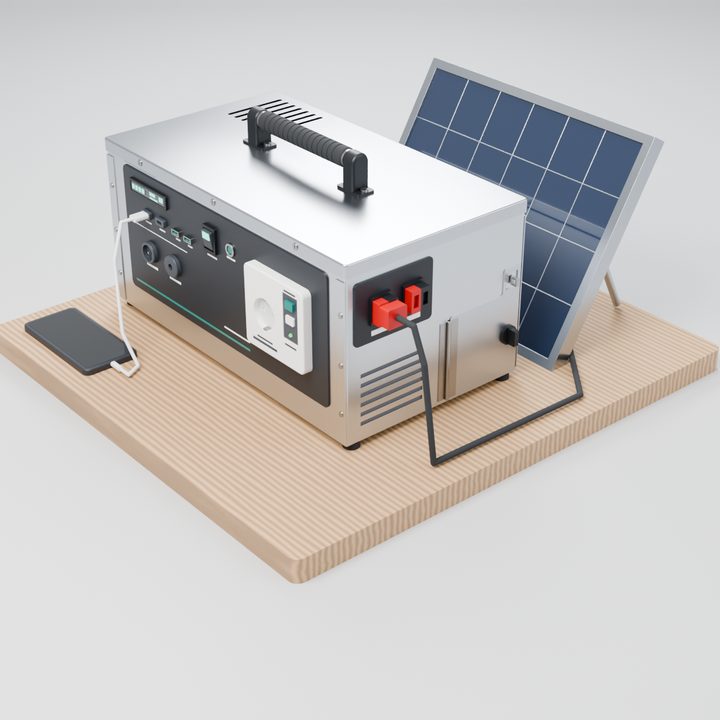
A home power station built around swappable battery packs.
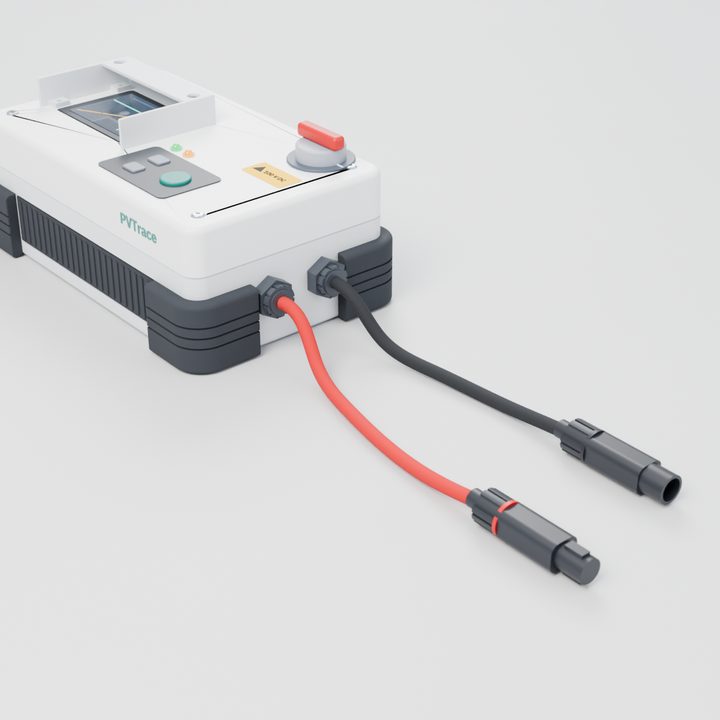
A handheld tracer that finds faults in solar panels and grades used ones.
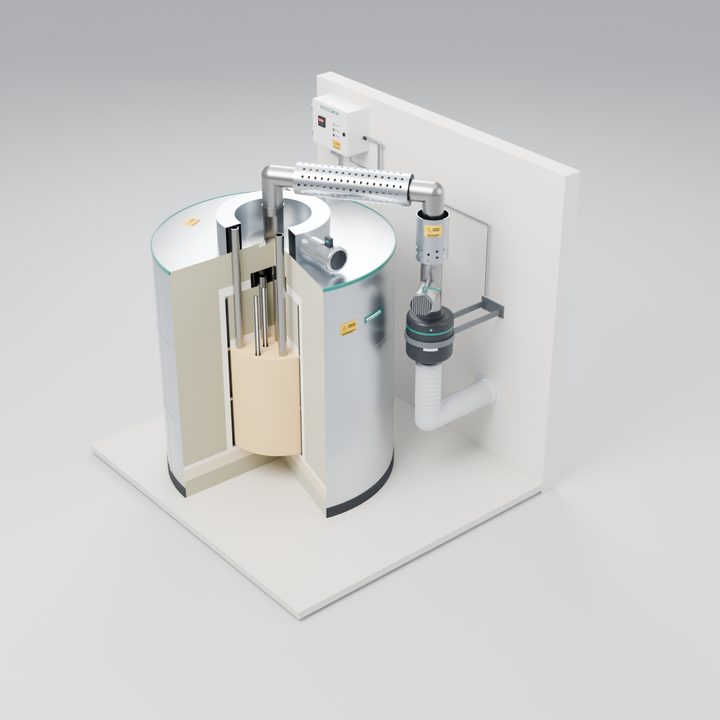
A sand battery that stores surplus power as heat.
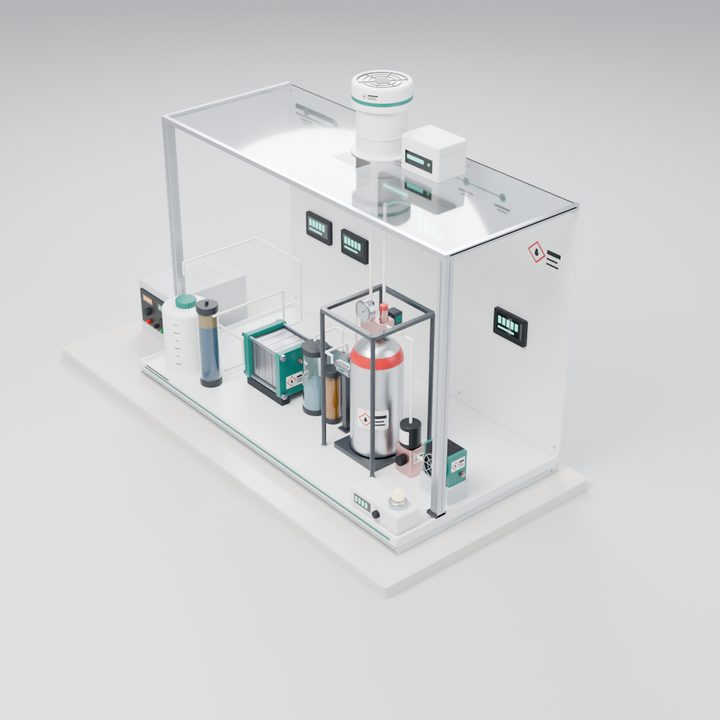
A teaching bench that makes, stores and uses hydrogen, with meters at each step.
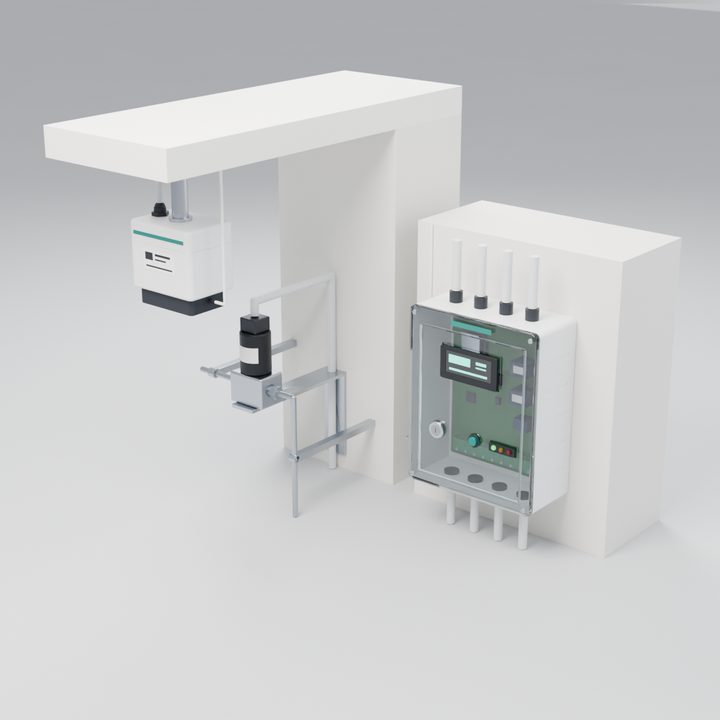
A hydrogen leak detector that runs a fan and cuts the supply.
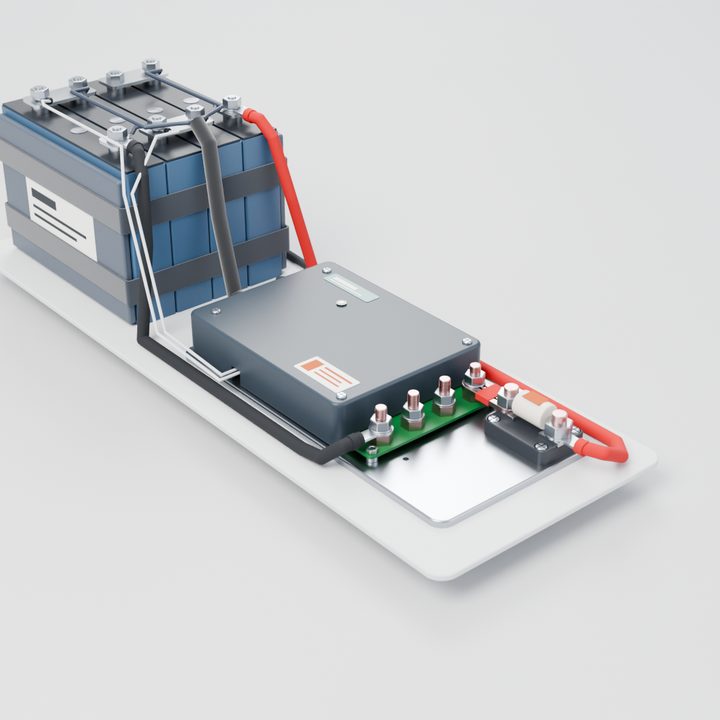
An open battery management board shared across the lab’s packs.
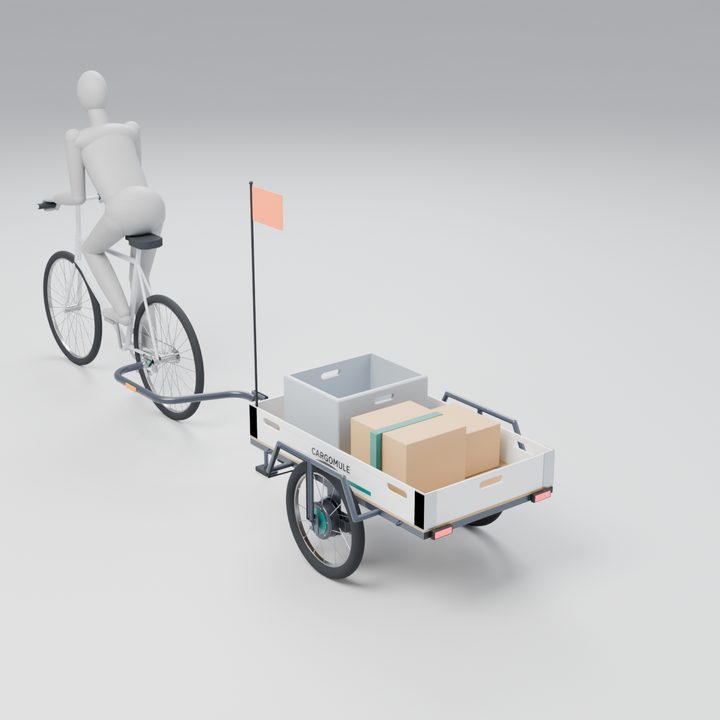
An electric-assist cargo trailer that fits most bicycles.
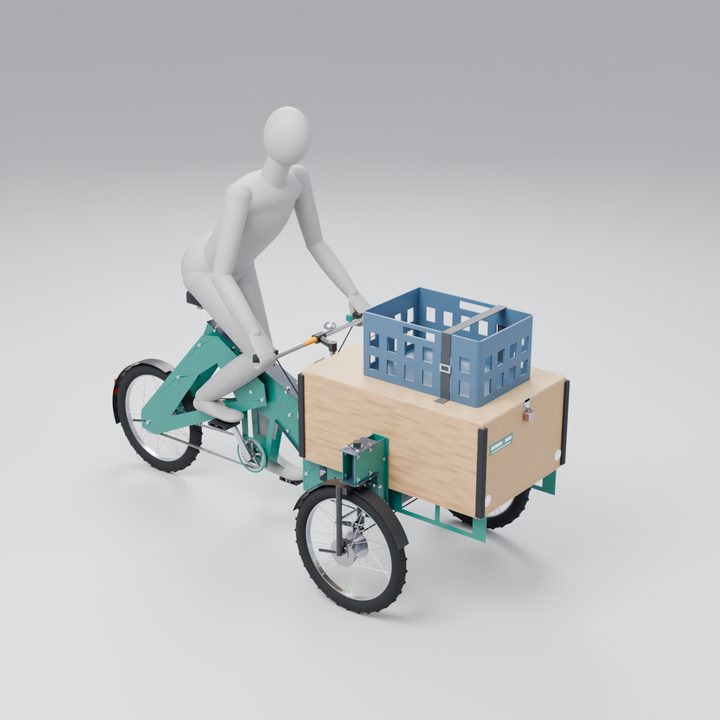
A cargo trike cut from flat steel sheet by any laser shop, shipped flat.
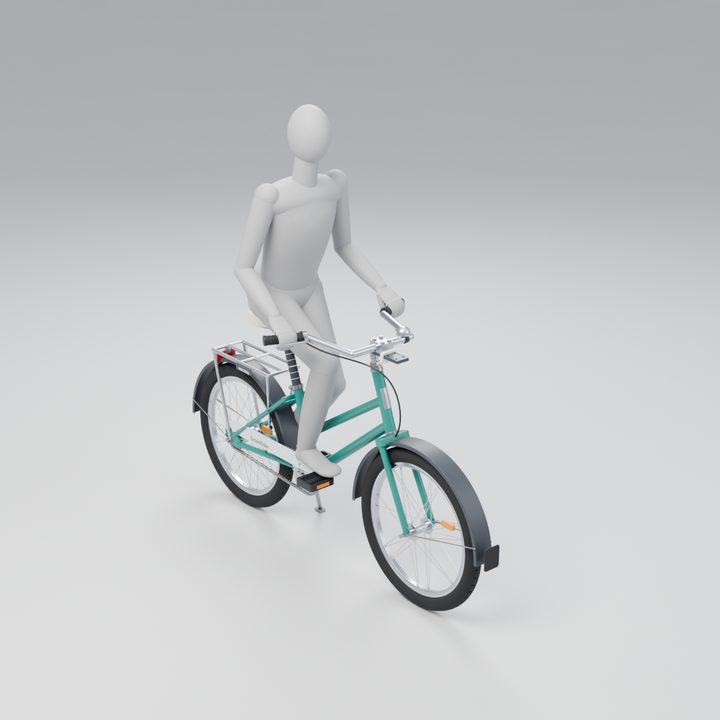
A repairable children’s bike that grows with a child from 6 to 14.
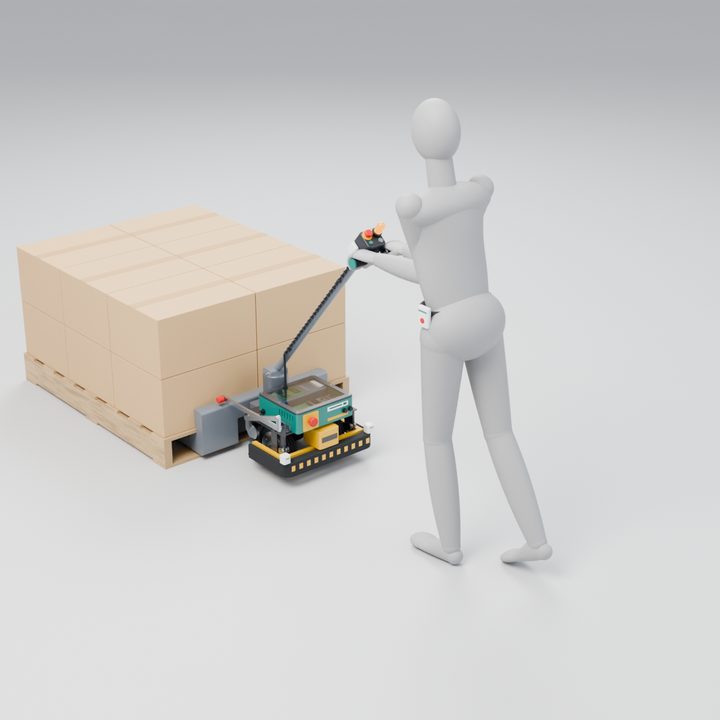
A kit that turns a manual pallet jack into a powered follow-me unit.
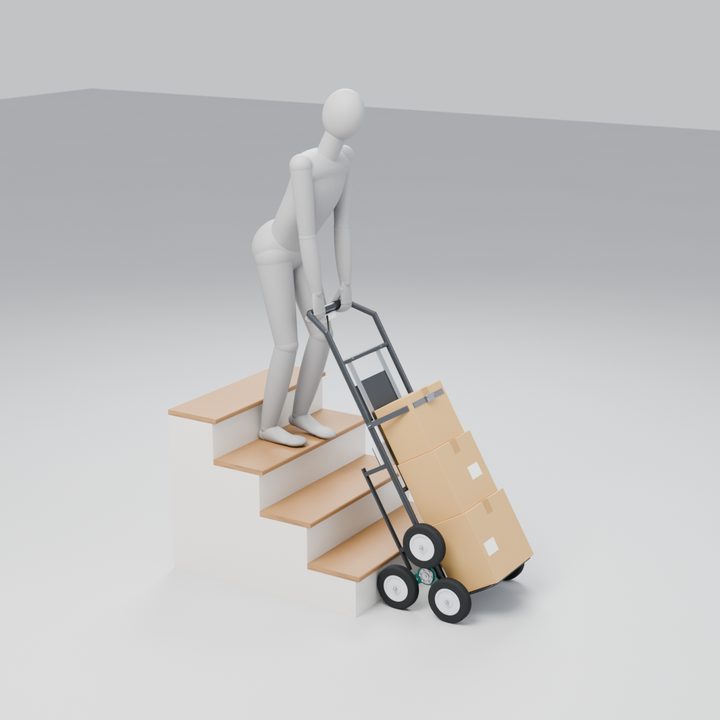
A motor-assisted hand truck that climbs stairs one step at a time.
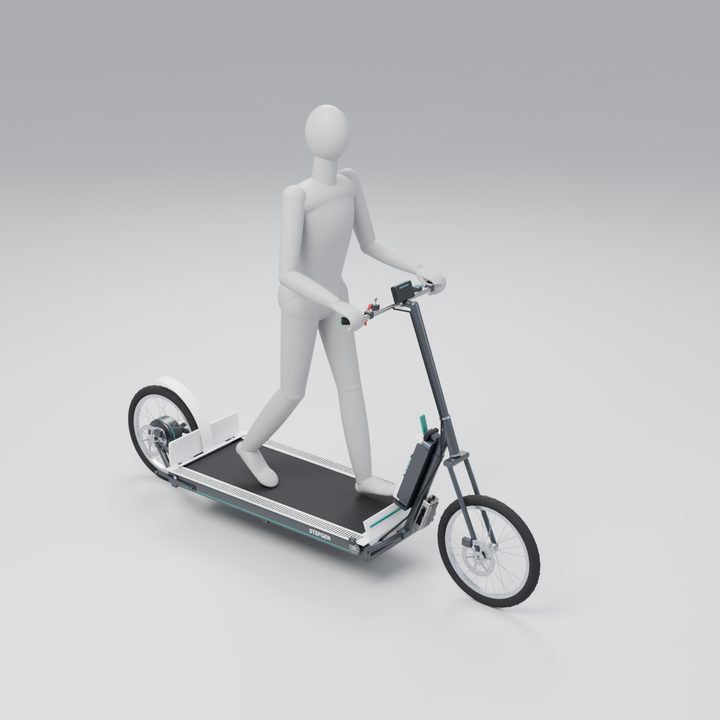
A walking-treadmill vehicle: you walk, it rolls.
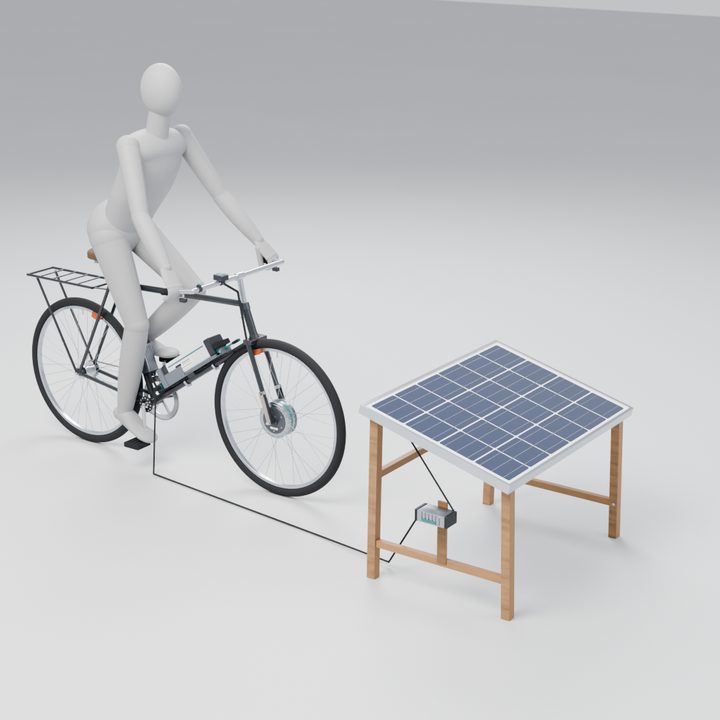
A bolt-on electric kit for existing bicycles, charged from the sun.
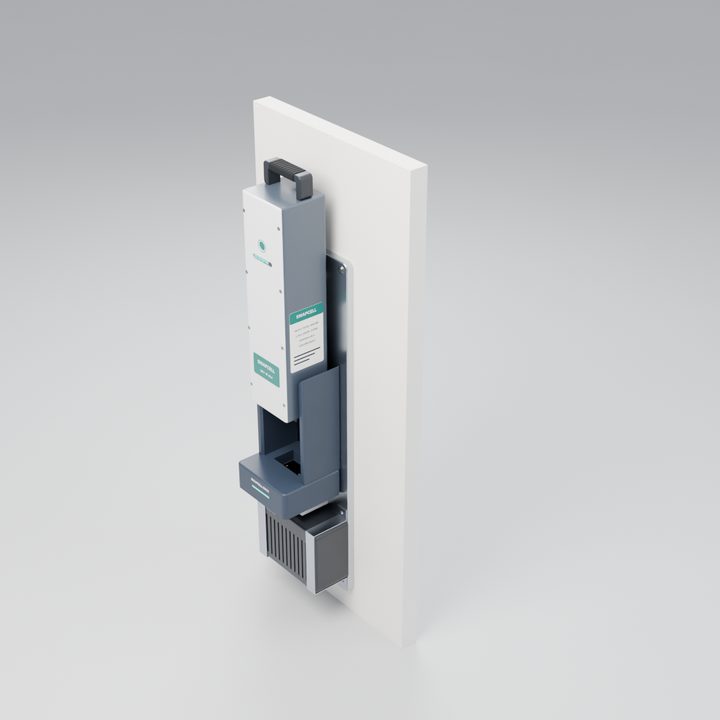
An open swappable battery pack shared across the lab’s vehicles and power stations.
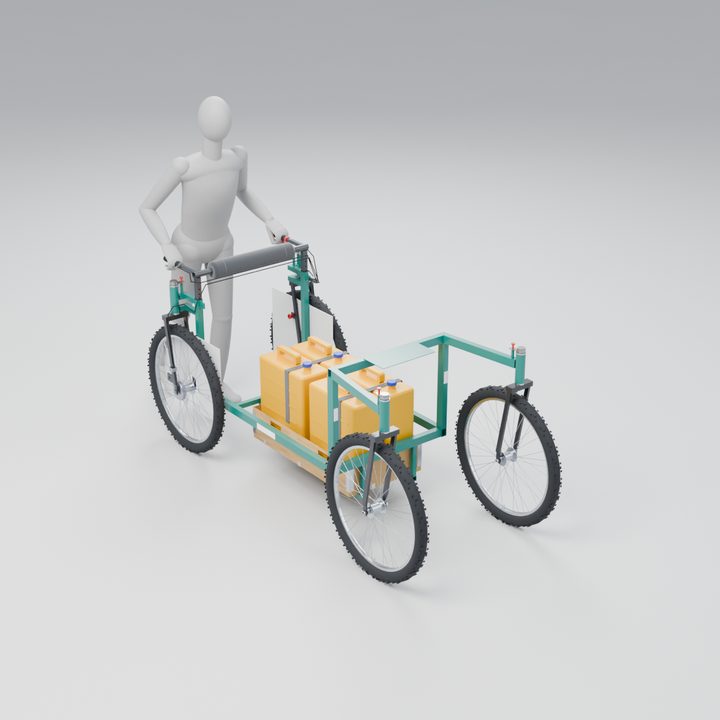
A four-wheel walking carrier for the clay water pots carried by hand today.
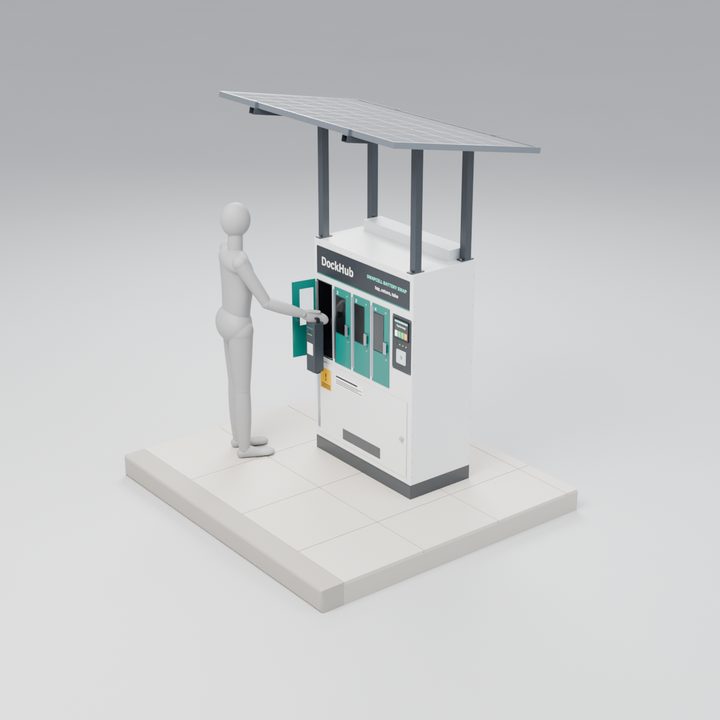
A street-side station that swaps and charges SwapCell packs in seconds.
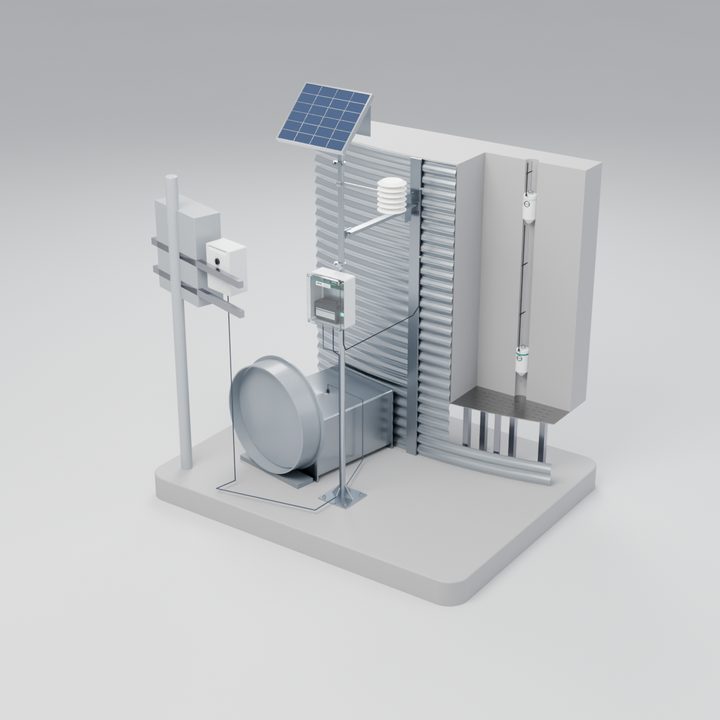
Probes and a controller that run grain bin fans only when they help.
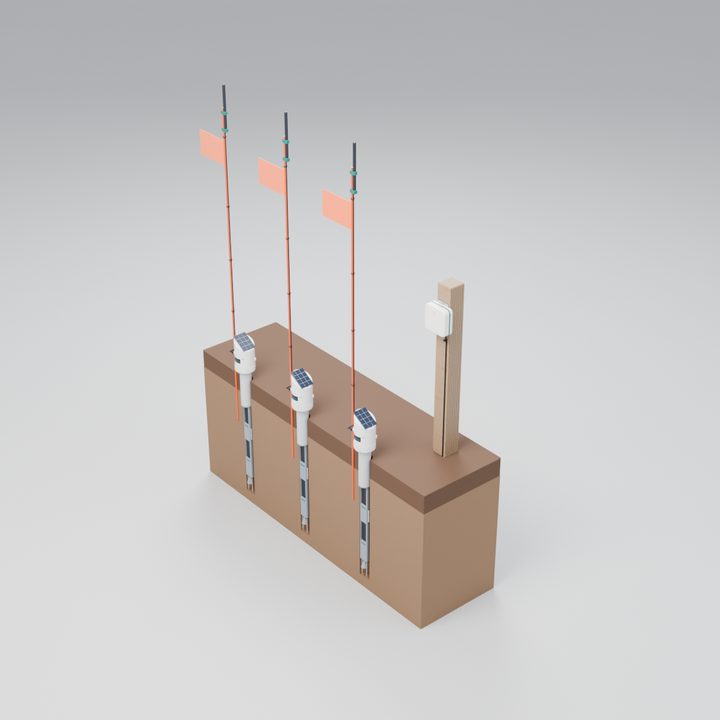
Solar soil-sensing stakes that report to one gateway over LoRa.
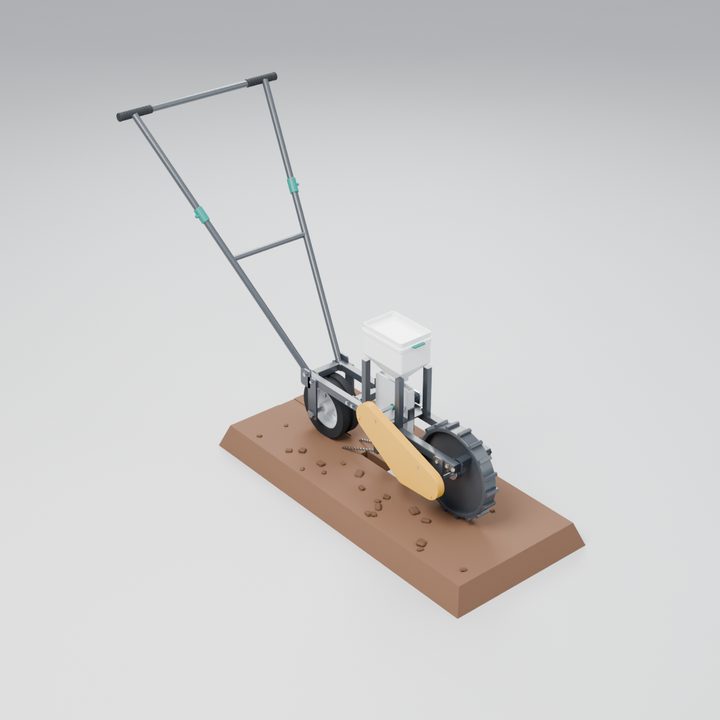
A push seeder with 3D-printed plates for each crop.
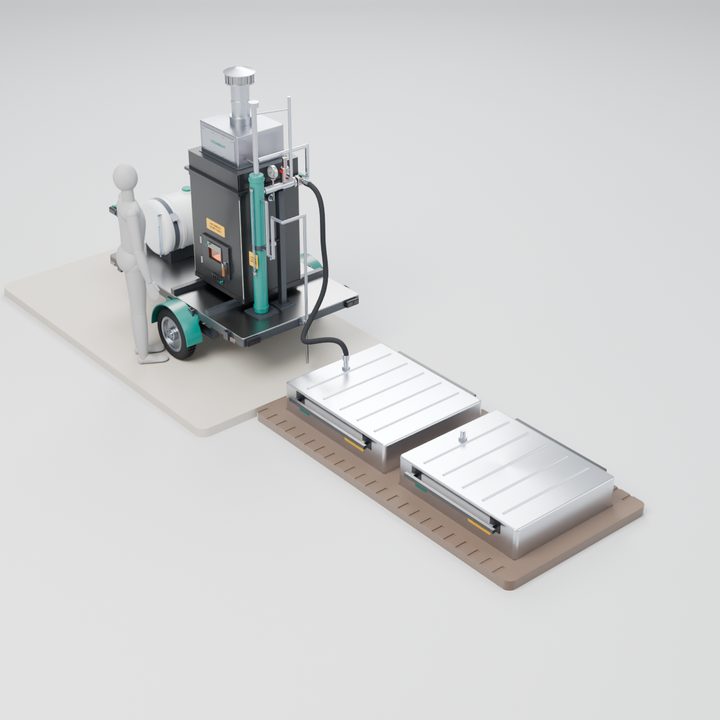
An efficient steam boiler sized for small farms.
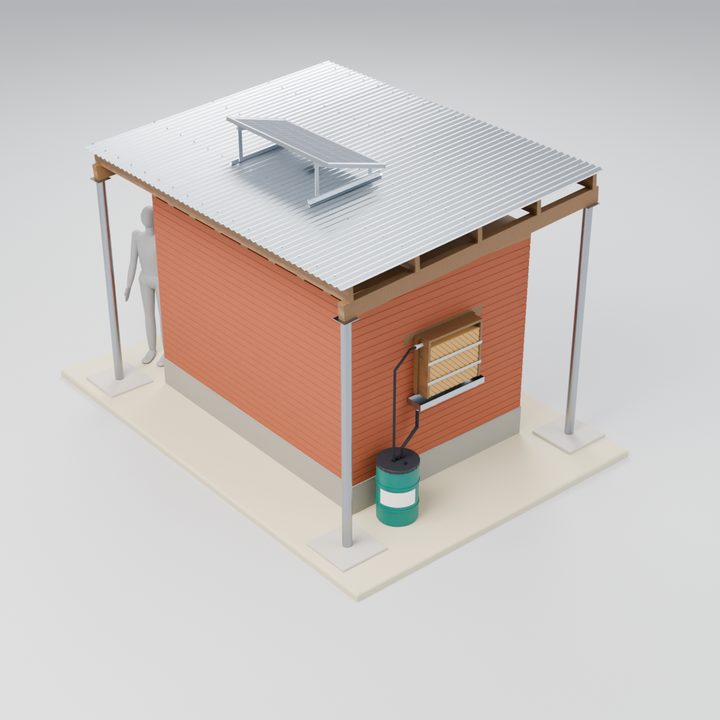
A walk-in evaporative cool room for produce, run by a solar fan.
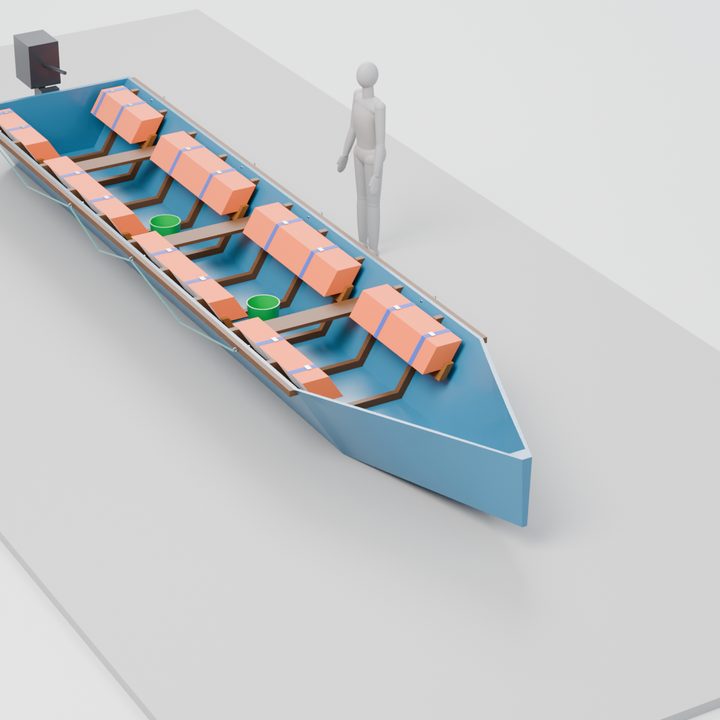
Keeps a swamped wooden fishing canoe level so it can be bailed.
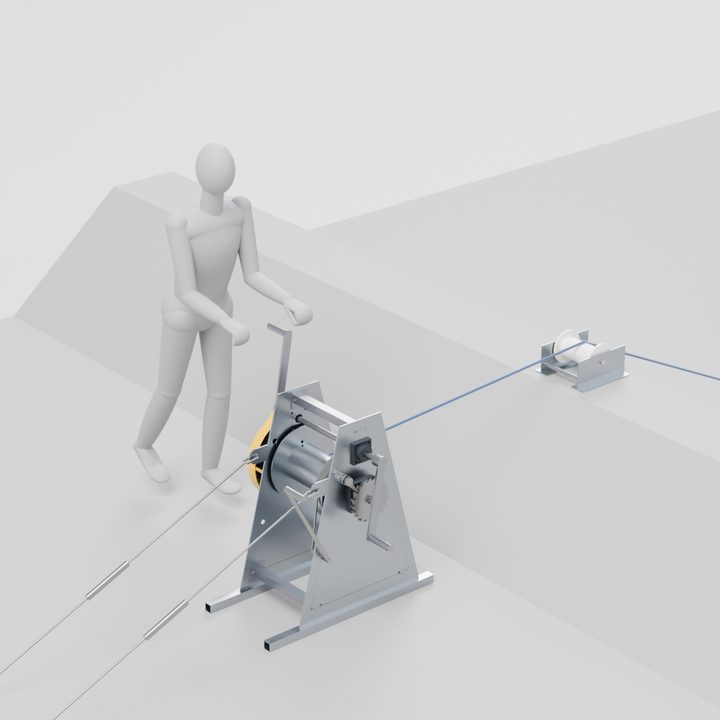
Rakes the salt pan with hand capstans so workers stay out of the brine.
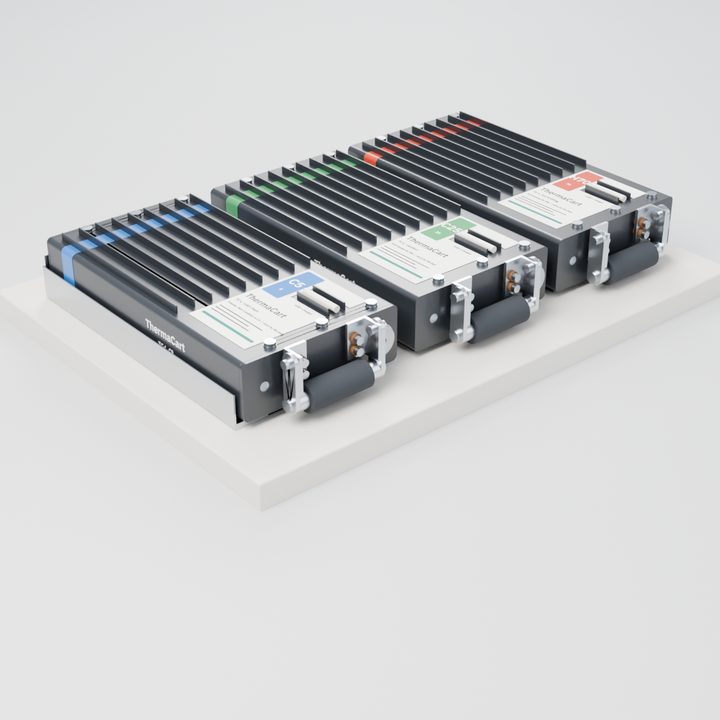
Swappable phase-change cartridges that keep coolers cold or food hot.
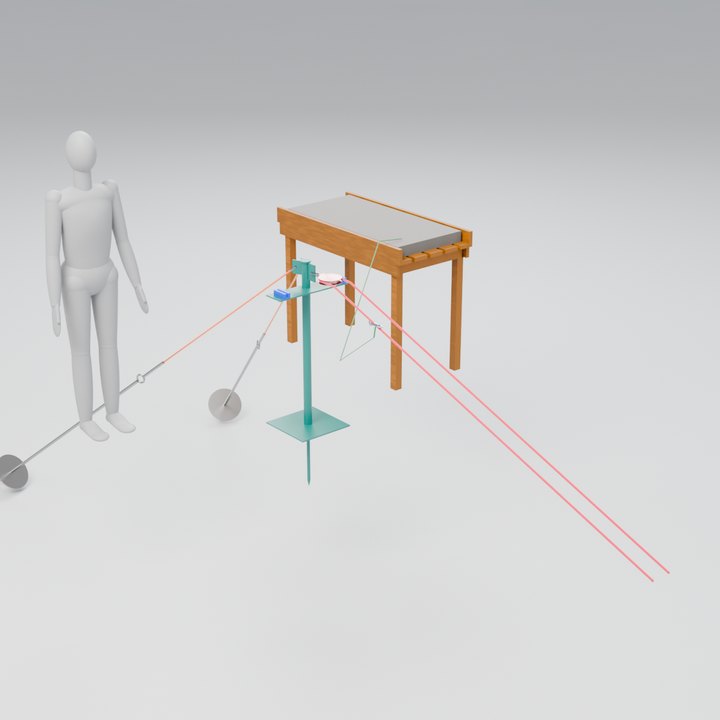
Sets and hauls nets from the bank on a rope loop so fishers stop wading into crocodile water.
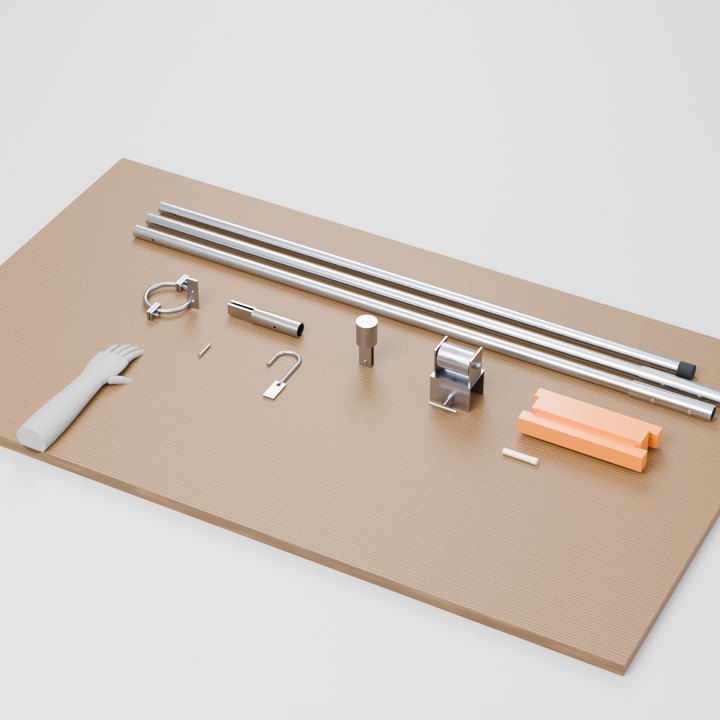
Frees gillnets snagged on submerged trees from the canoe so children are not sent to dive.
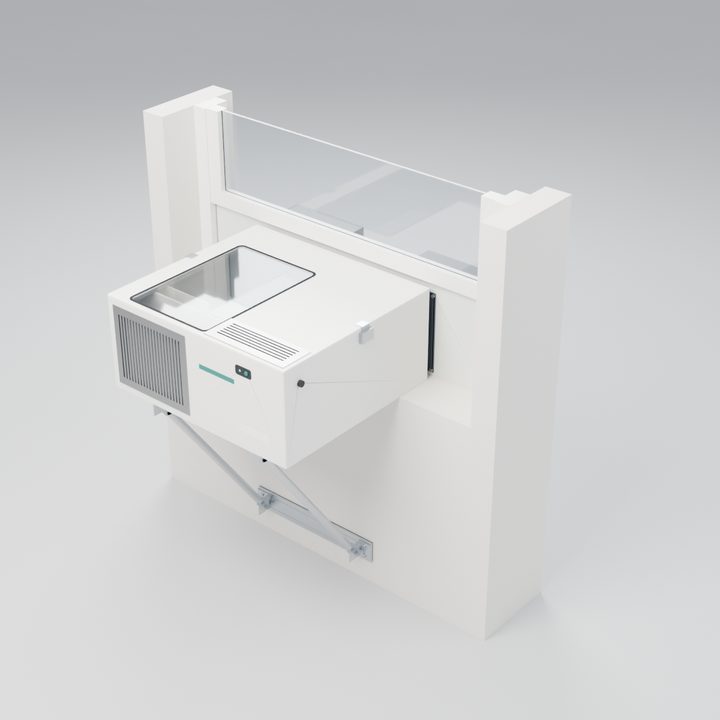
A window ventilator that brings in fresh air and keeps most of the heat.
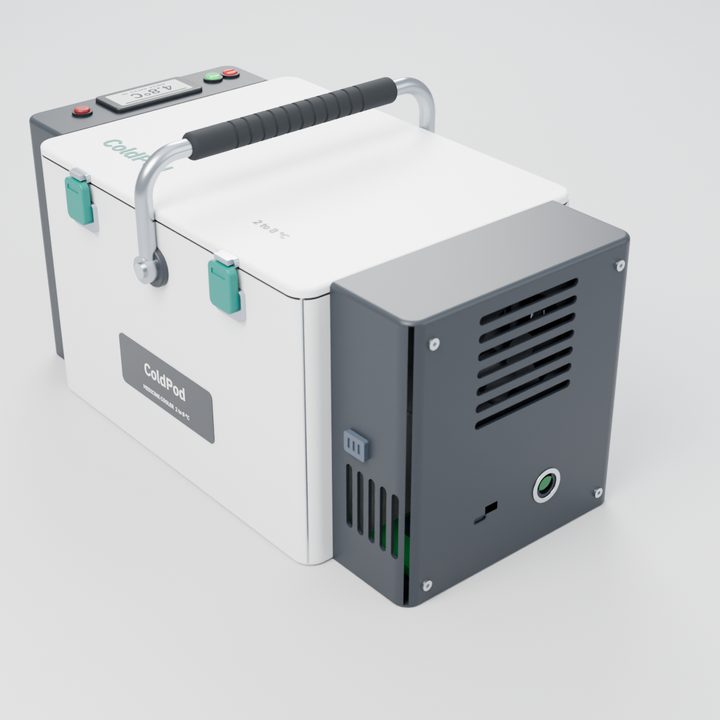
A portable cooler for vaccines and medicines that logs every excursion.
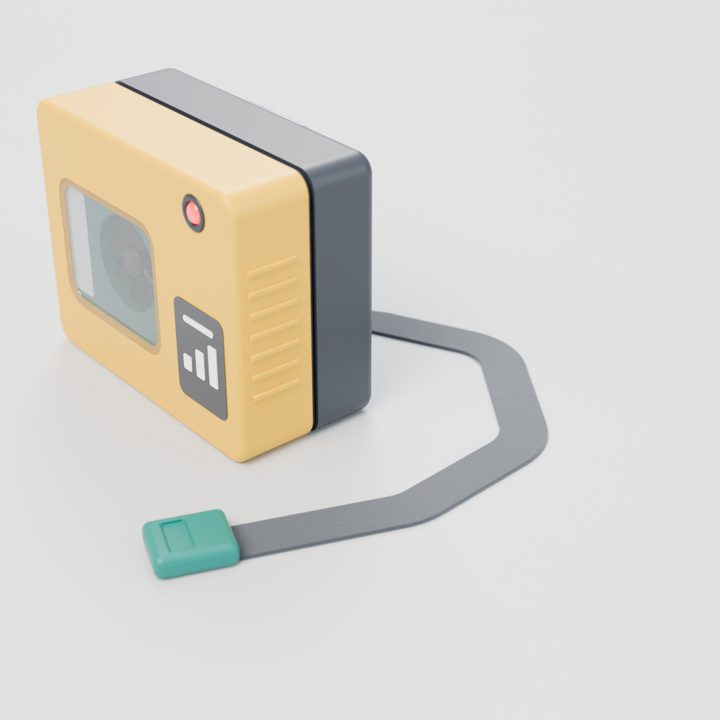
A wearable dust monitor that warns workers before exposure limits.
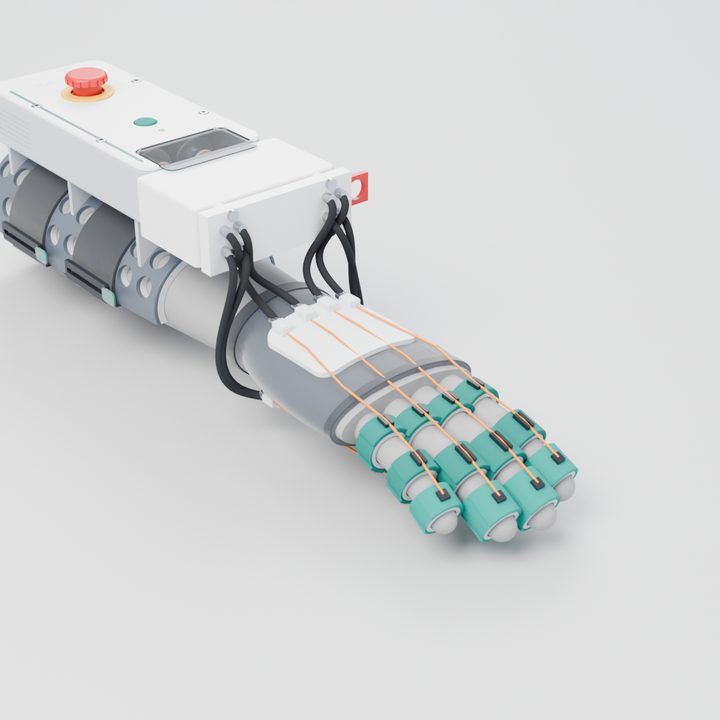
A soft finger exoskeleton for hand rehabilitation exercises.
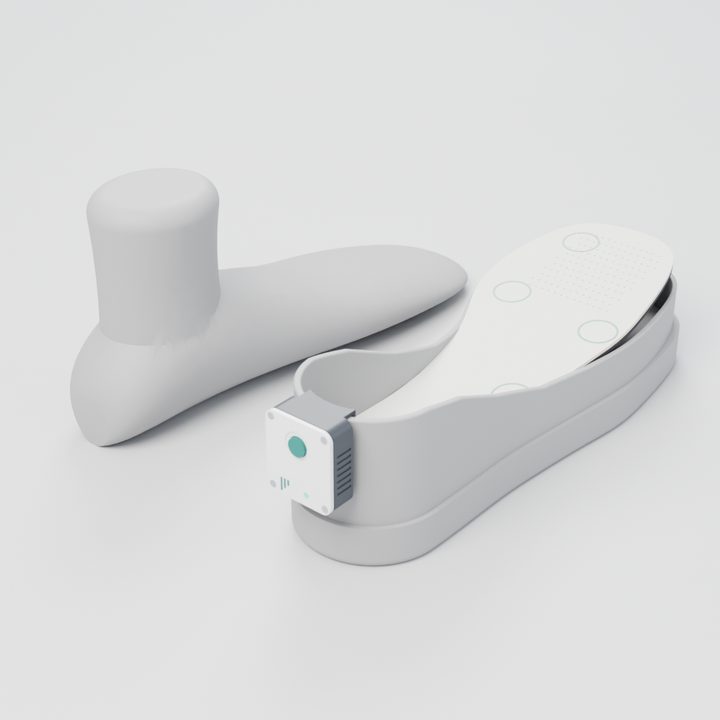
A sensing insole that cues a step when walking freezes.
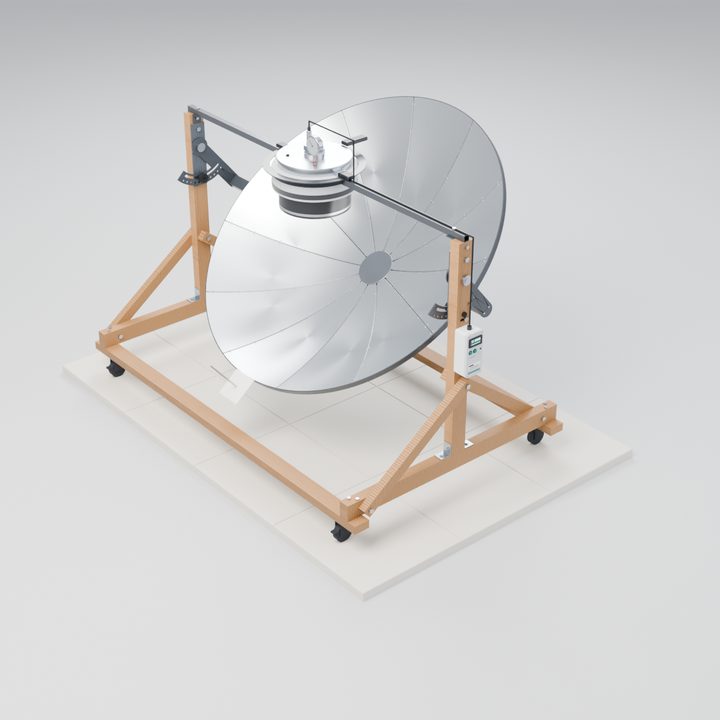
A solar autoclave that sterilizes instruments and logs every cycle.
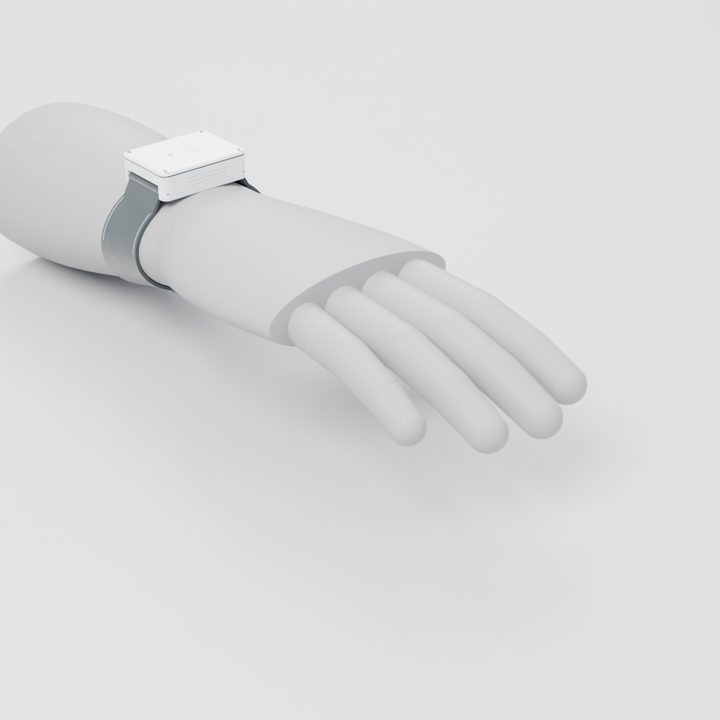
A wrist band that logs tremor through the day for an open analysis.
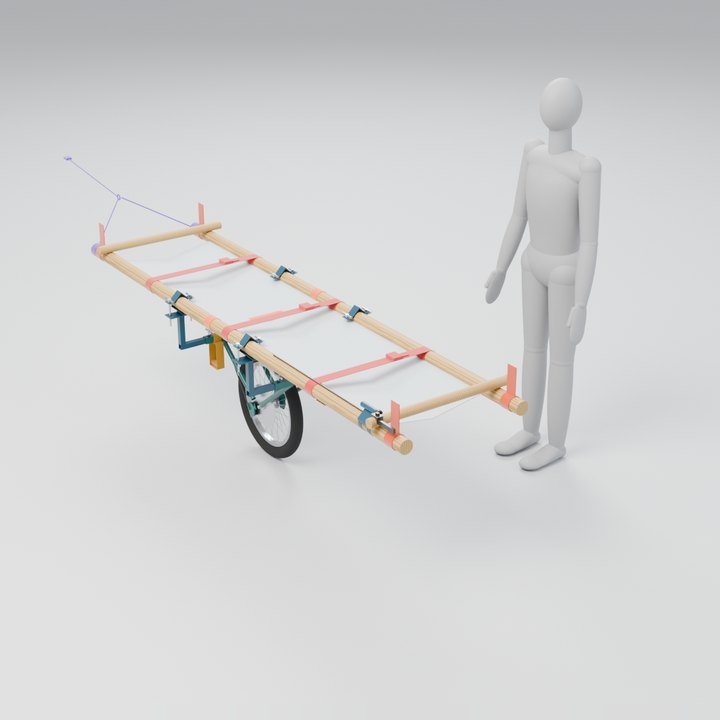
Adds a braked wheel and harness to the bamboo stretchers families use to carry patients to the road.
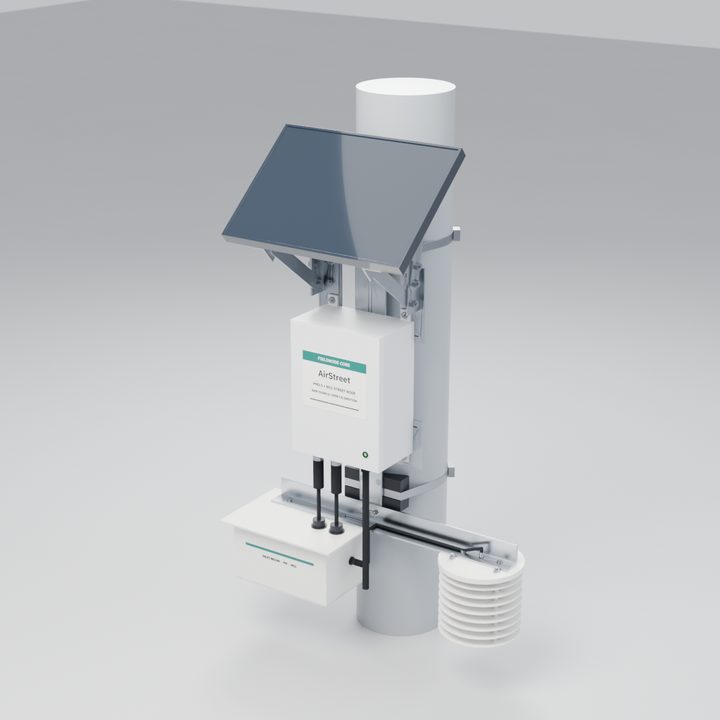
A street-level air quality node for neighborhood pollution maps.
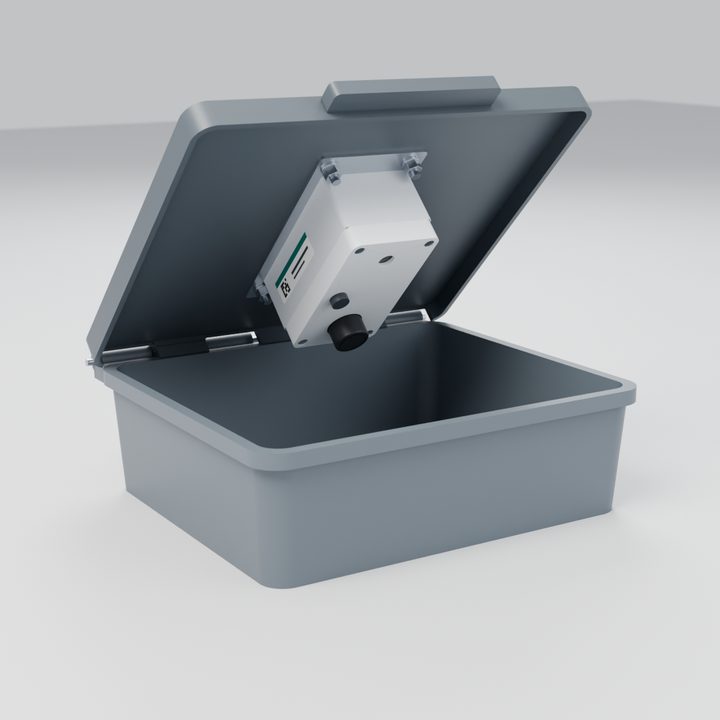
A bin sensor so collection routes serve full bins, not empty ones.
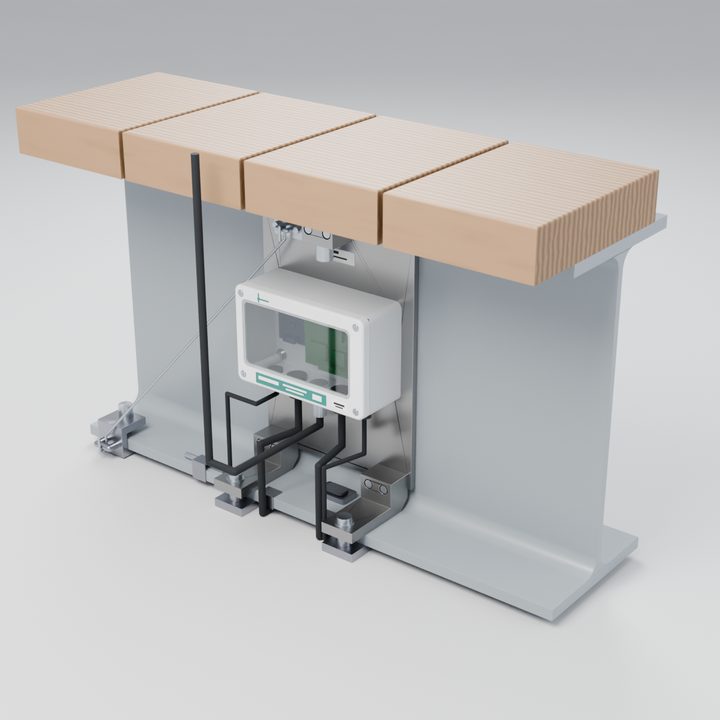
Tracks vibration and strain on small bridges to flag what needs inspection.
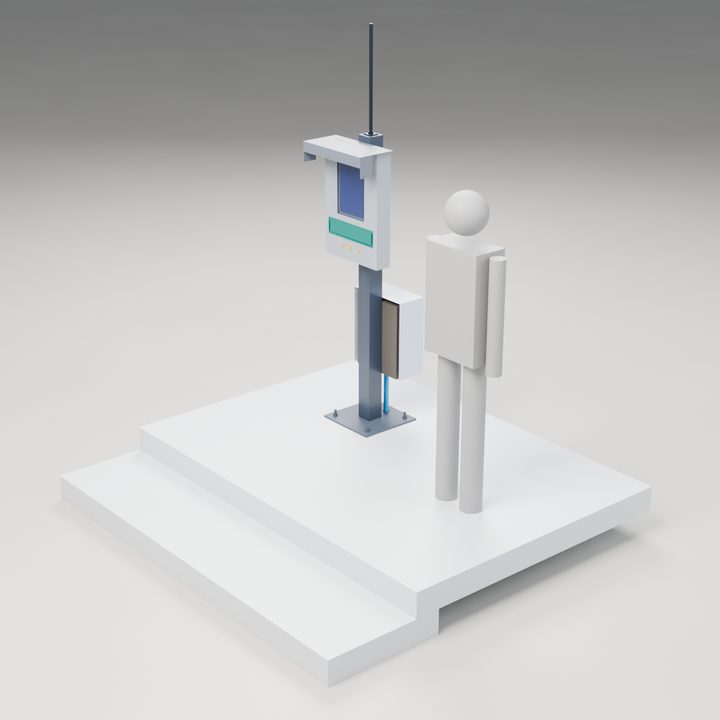
An open city dashboard that brings street sensors together on one map.
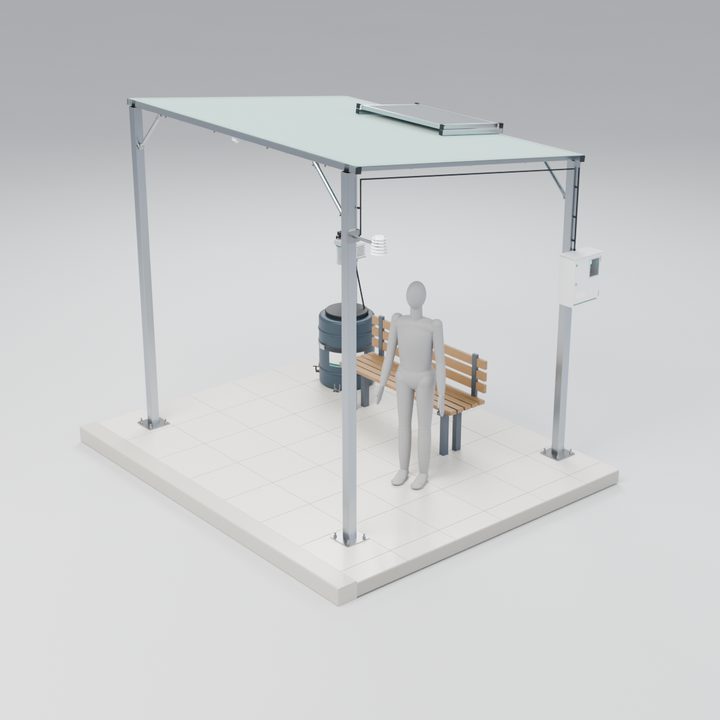
A solar shade canopy that mists only when heat stress is high.
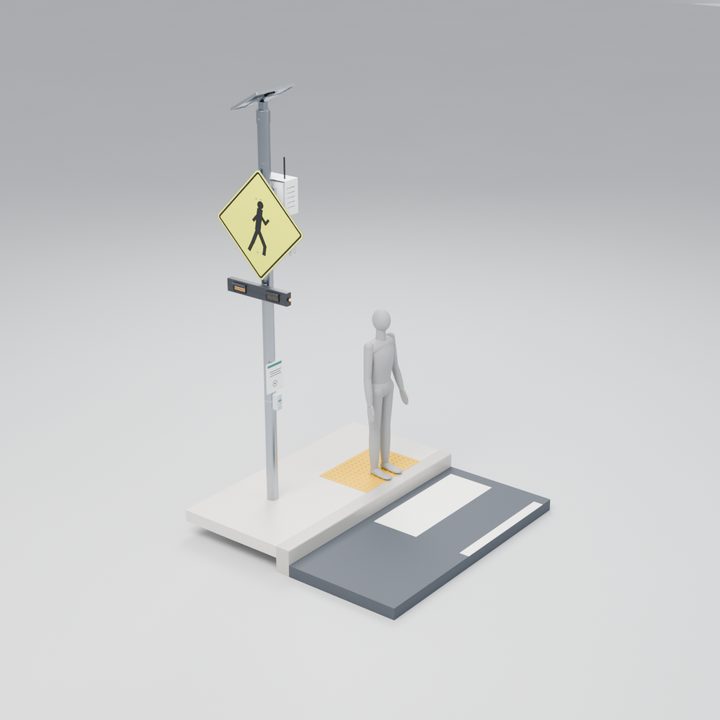
A solar beacon that warns drivers when someone waits to cross.
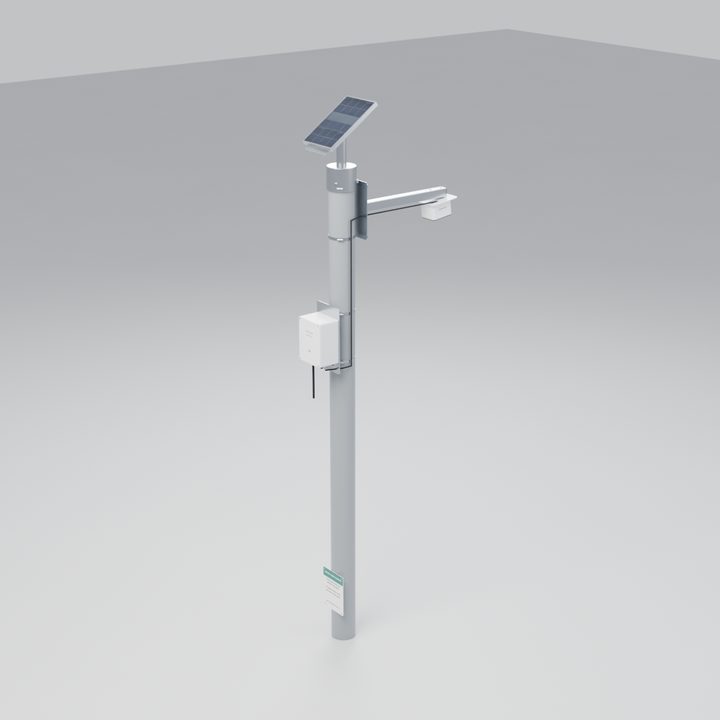
Counts people, bikes and vehicles on device, and sends counts, never images.
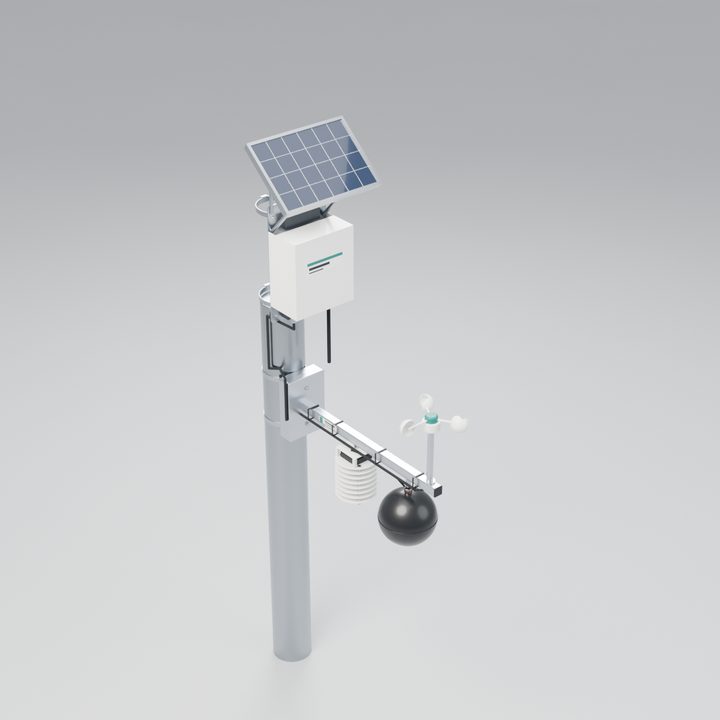
Maps urban heat stress block by block.
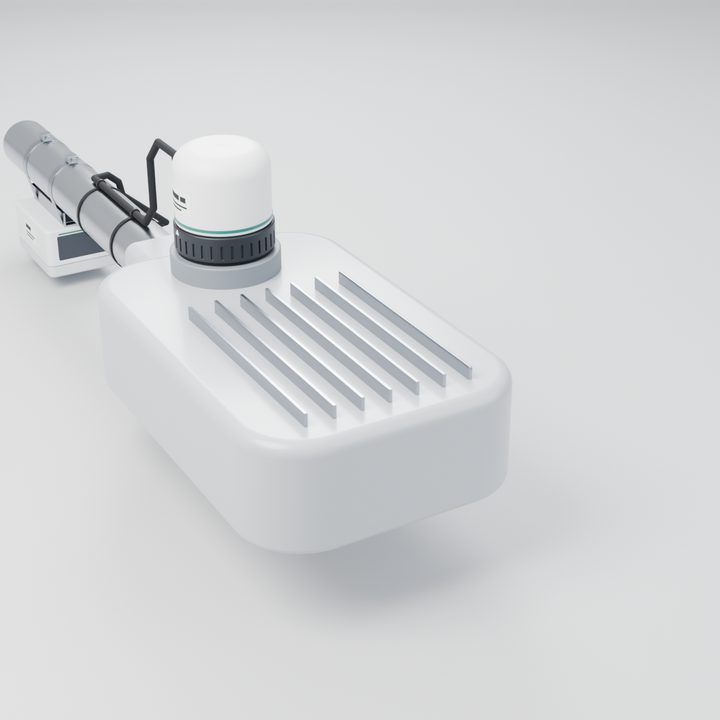
An open streetlight controller that dims, reports faults and hosts sensors.
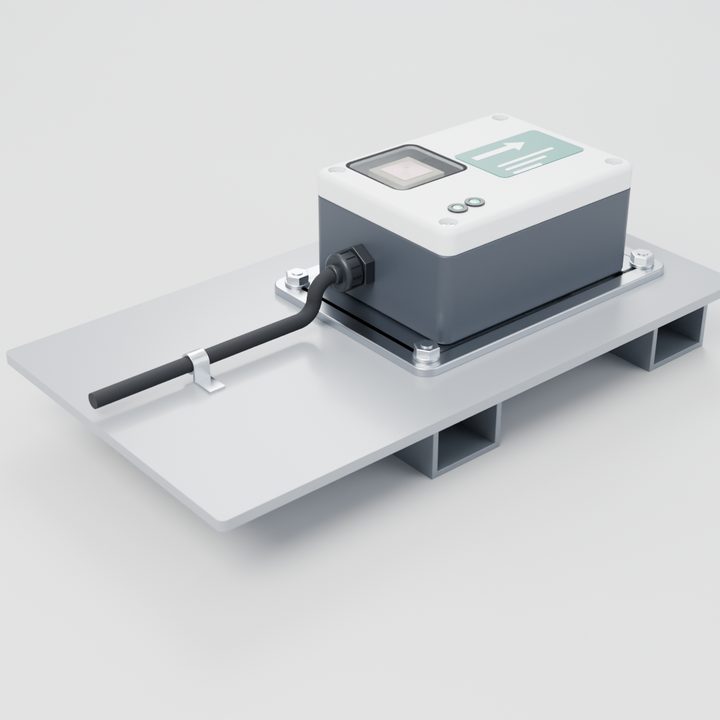
Maps potholes from buses and garbage trucks as they drive their routes.
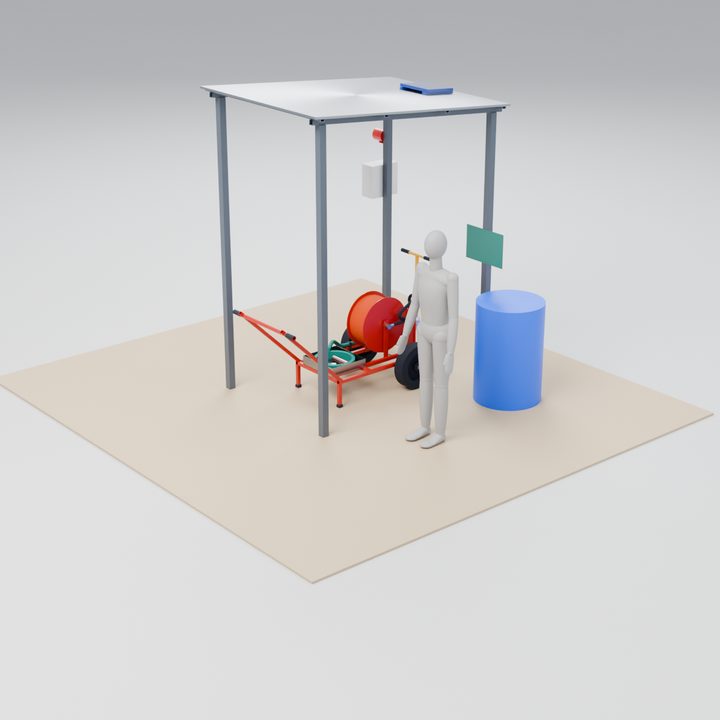
Alarms and a hand-pumped hose cart to fight camp shelter fires in the first minutes.
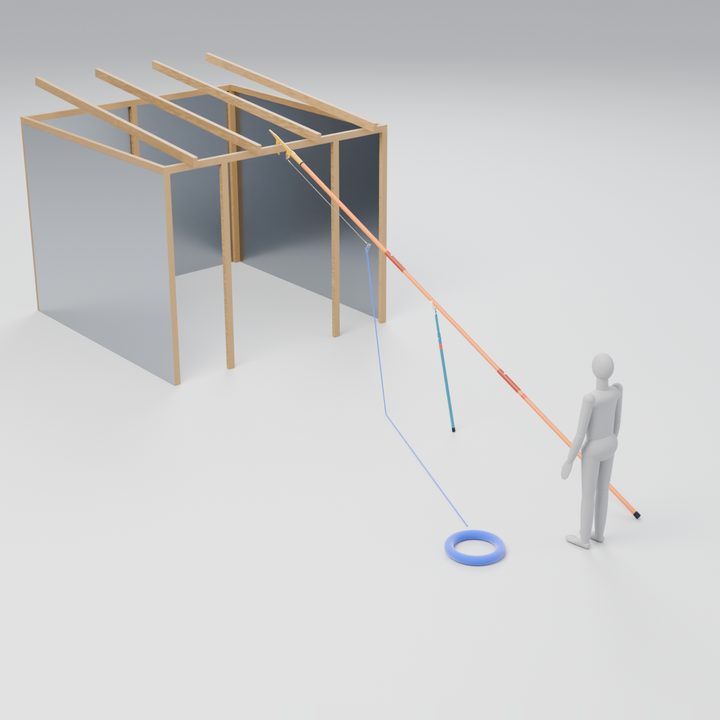
Pulls a shack down from a safe distance to open a firebreak.
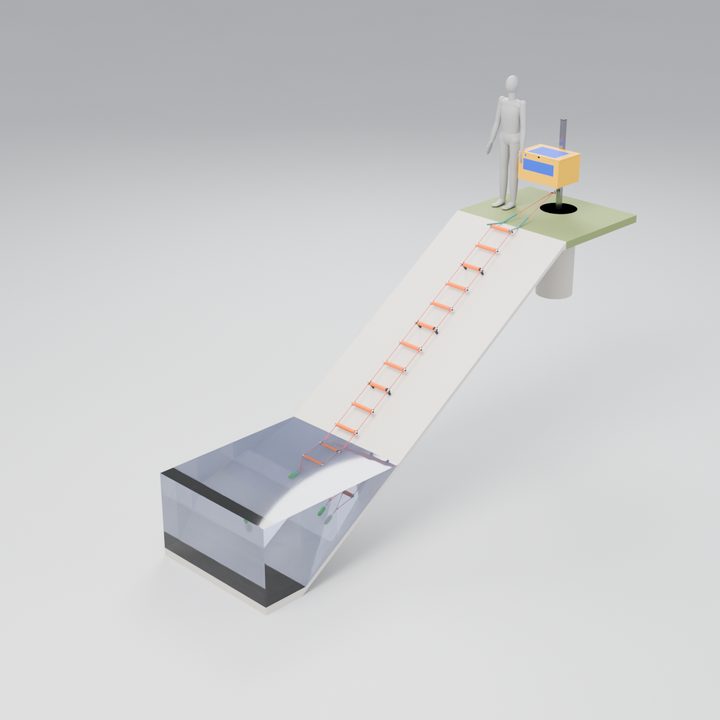
A throwable floating ladder for someone caught in a steep canal.
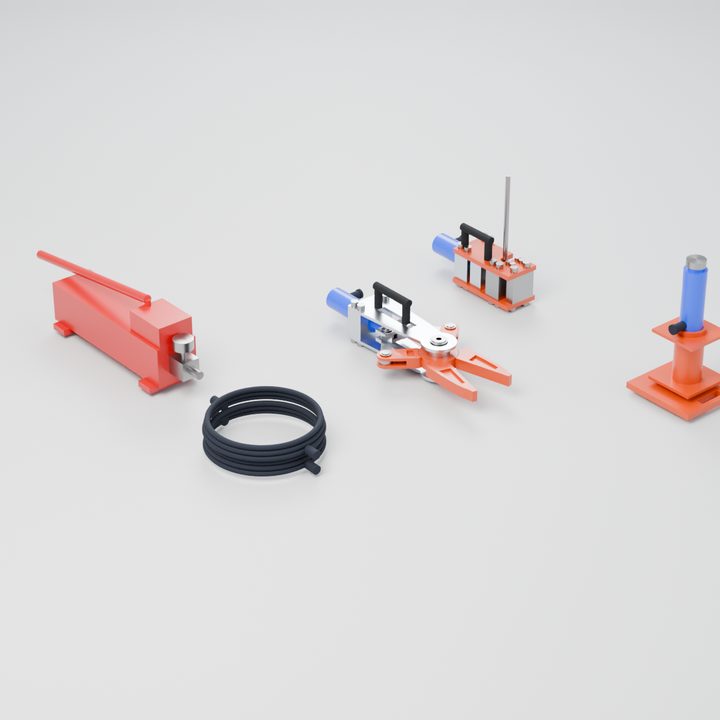
Turns construction hydraulics into an open rescue spreading and lifting kit.
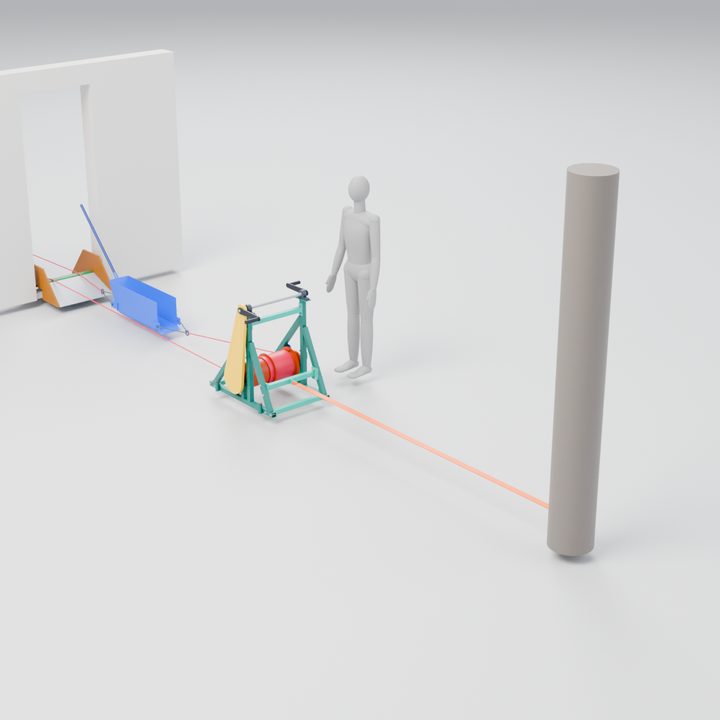
Drags flood mud out of homes and drains with a hand-capstan scraper.
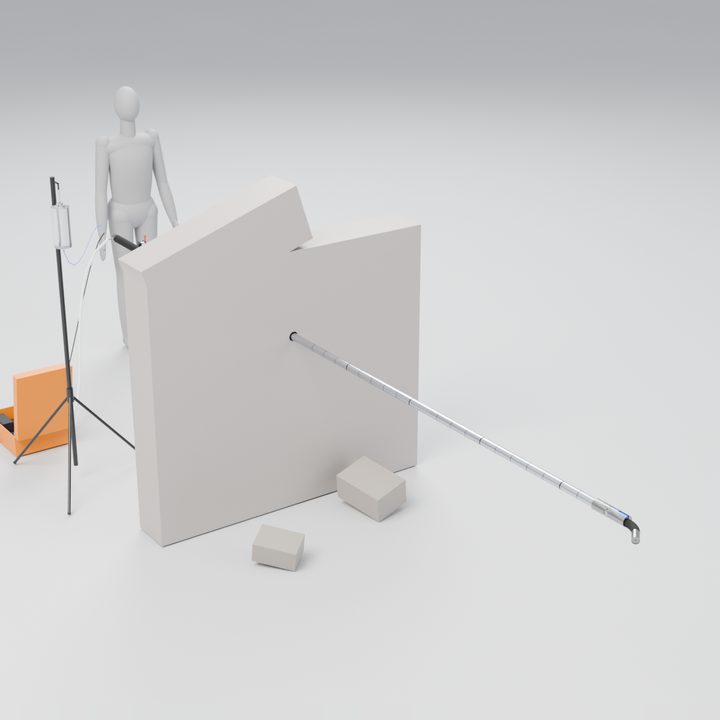
A camera probe that searches rubble voids and gives water and air to survivors.
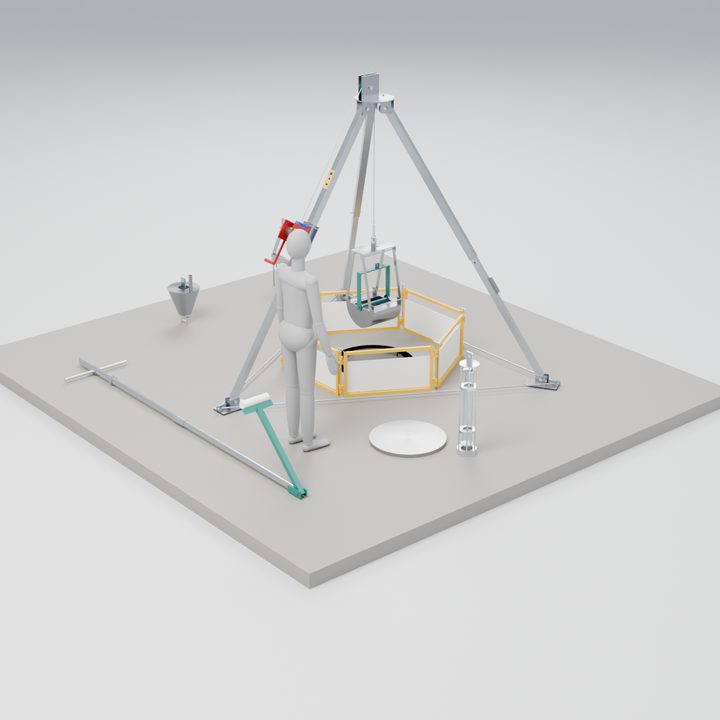
Cleans, samples and retrieves through a manhole from a tripod, so nobody goes in.
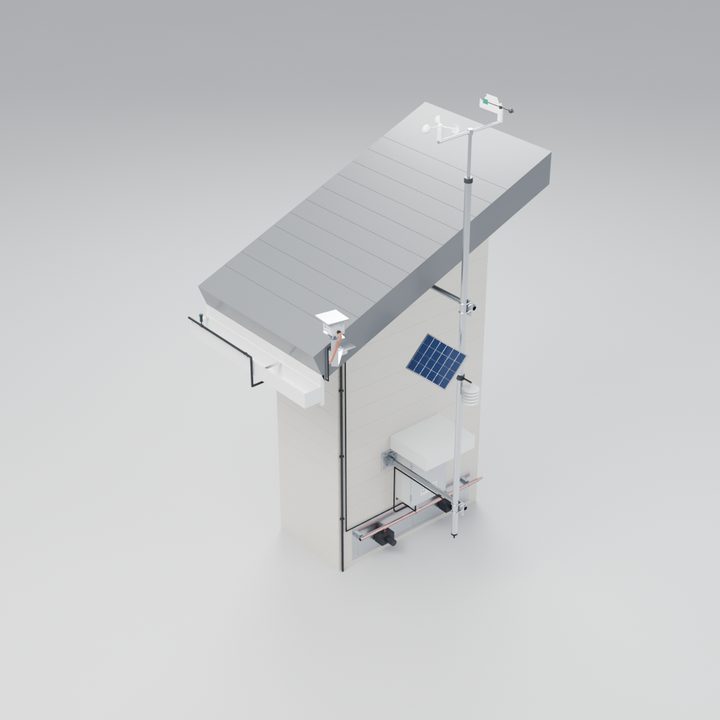
Detects ember showers and switches on gutter and eave sprinklers.
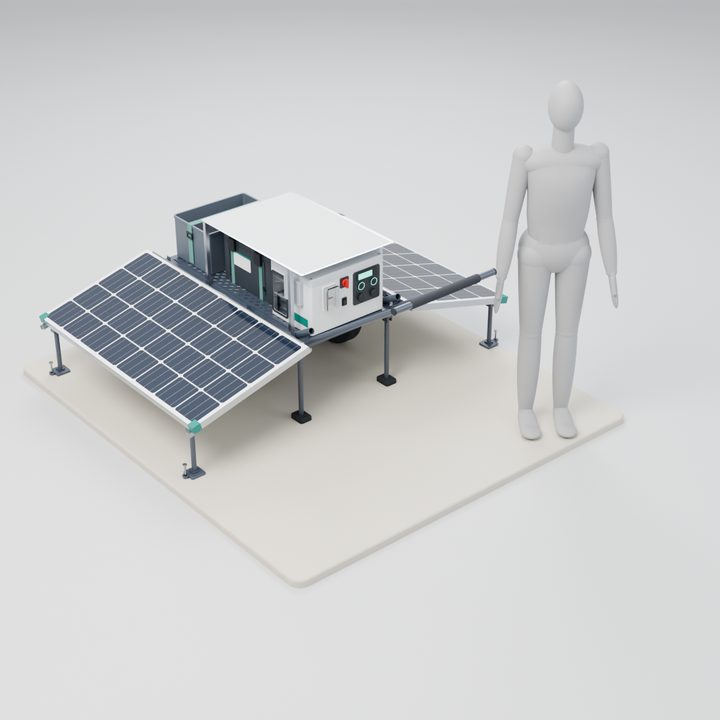
A hand-pulled solar power cart one person can set up in ten minutes.
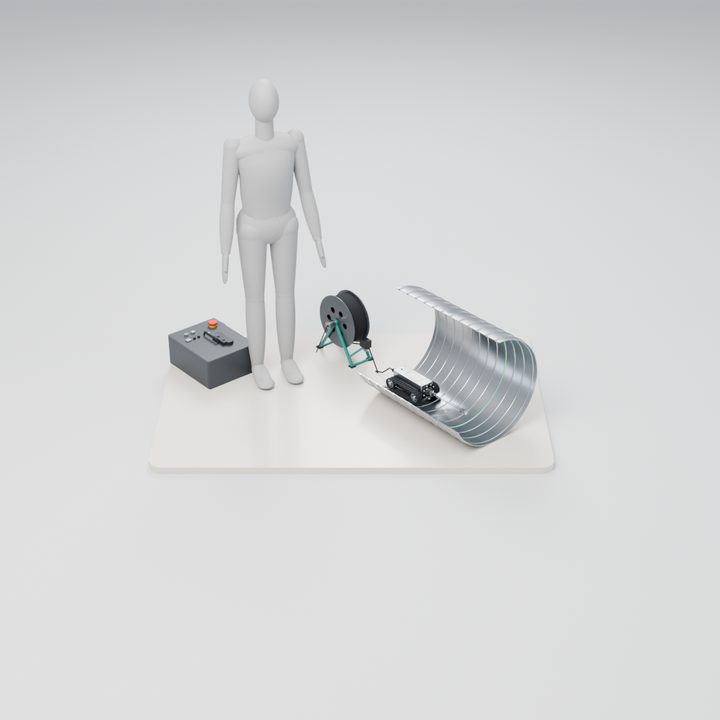
A tethered crawler that inspects and measures culverts and pipes.
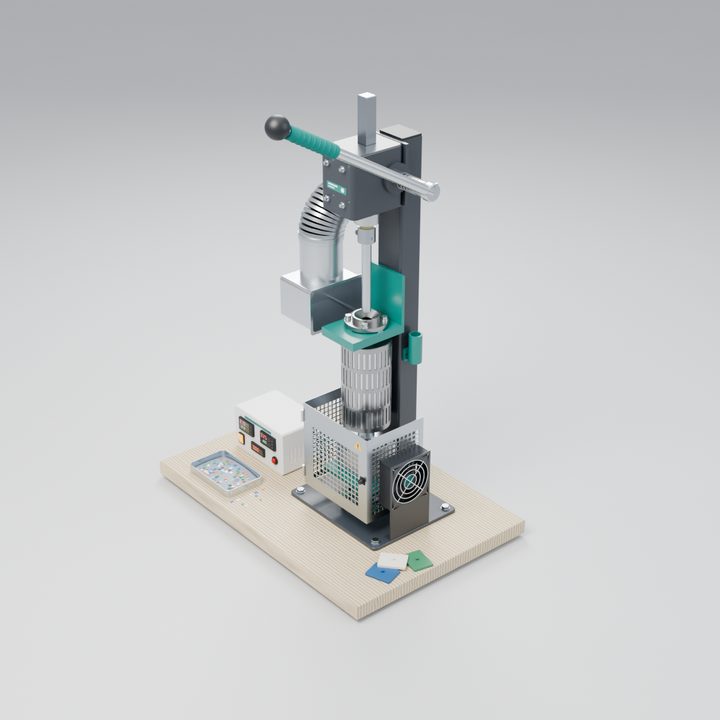
A benchtop, hand-operated injection molder for small plastic parts.
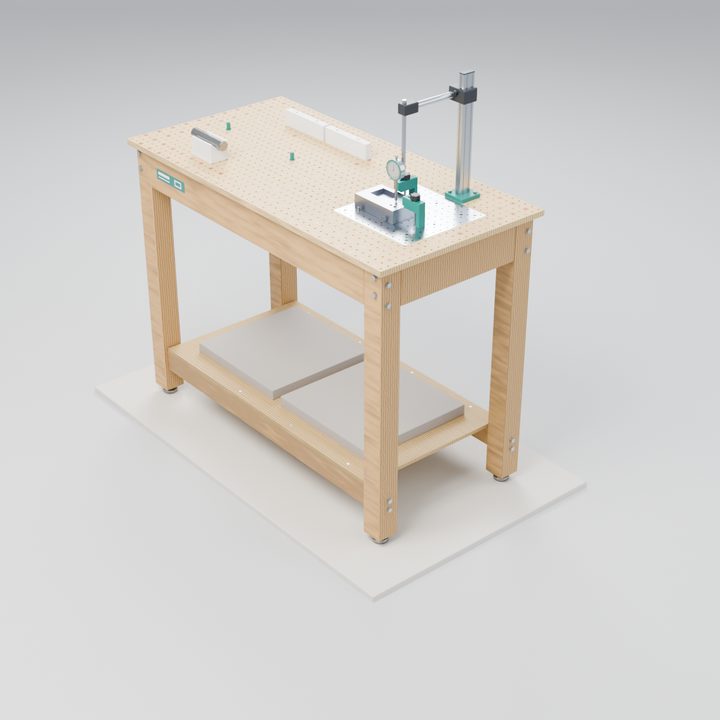
A hole-grid workbench and fixture standard for community workshops.
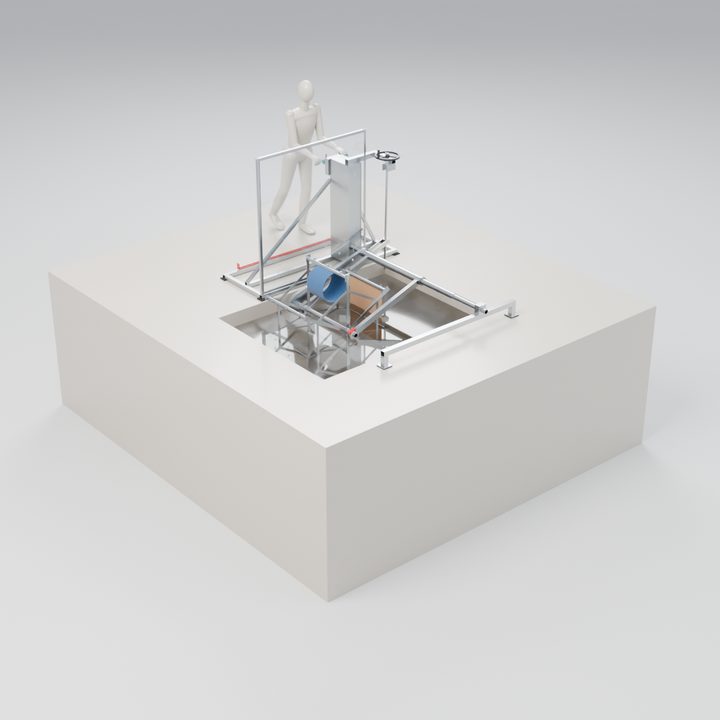
A hand-cranked reel that moves hides and yarn through dye vats, so hands stay out.
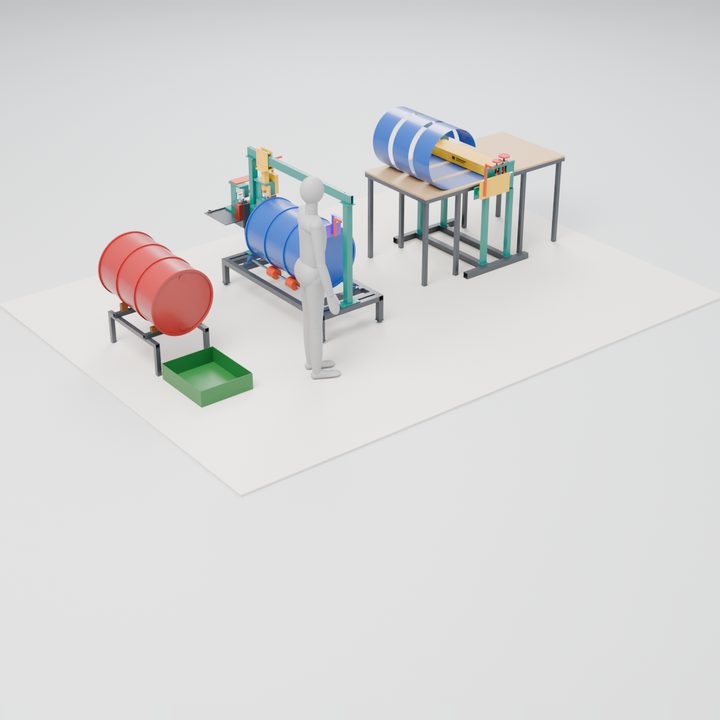
Turns empty oil drums into flat sheet without burning them.
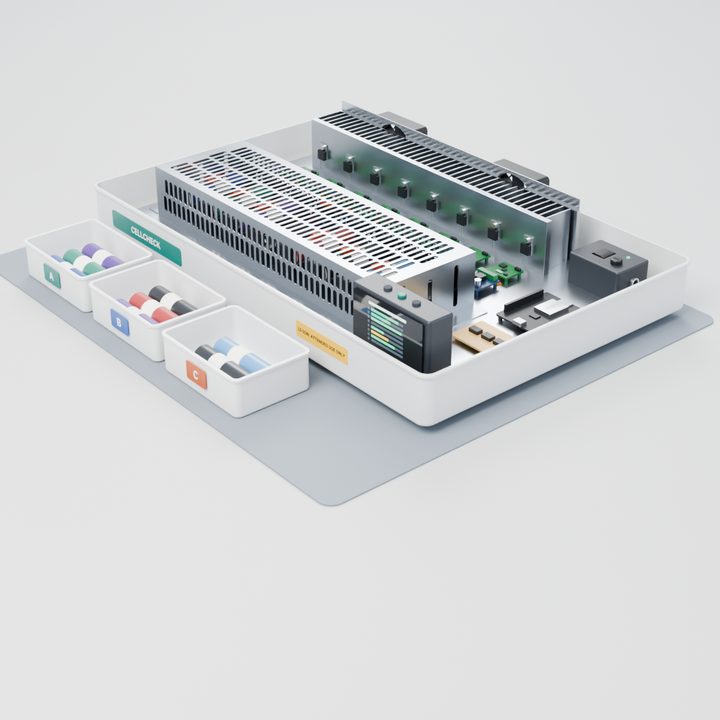
Grades salvaged lithium cells and sorts them into matched sets.
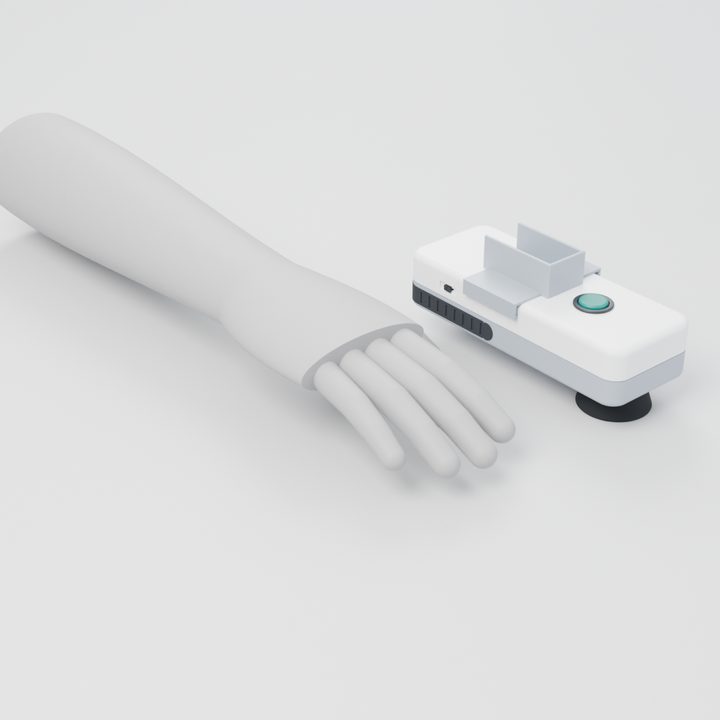
A scanner that tells you which bin an item belongs in.
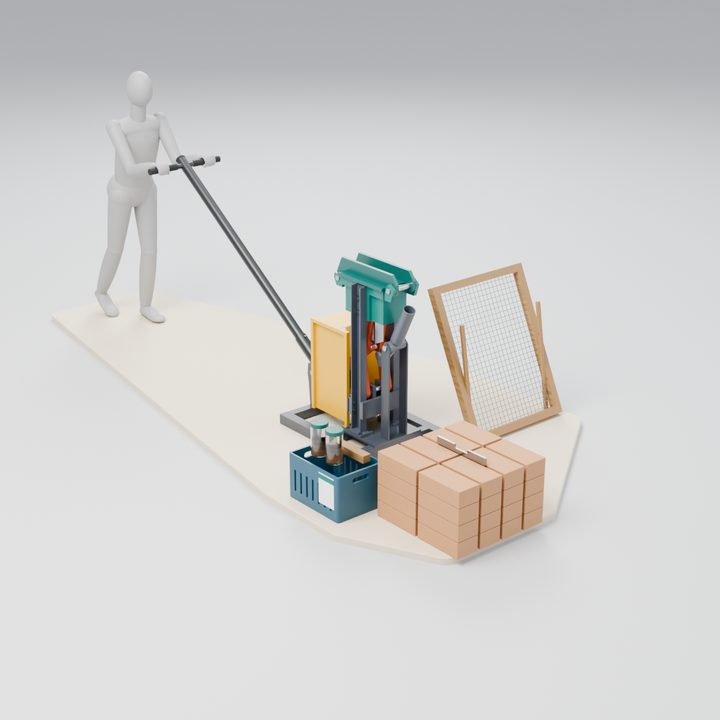
A hand-operated press for compressed earth building blocks.
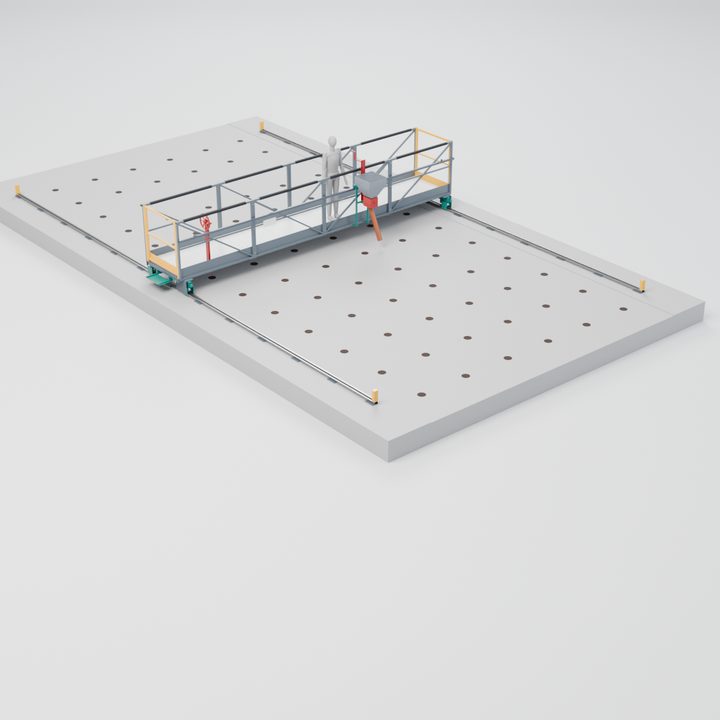
A rolling deck so brick kiln workers feed fuel without standing on the fire.
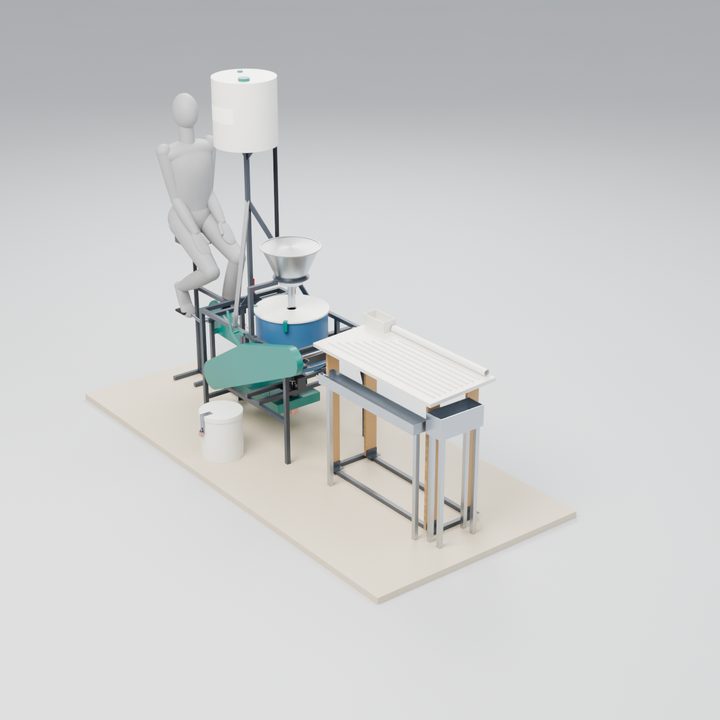
A mercury-free gold concentrator for small-scale miners.
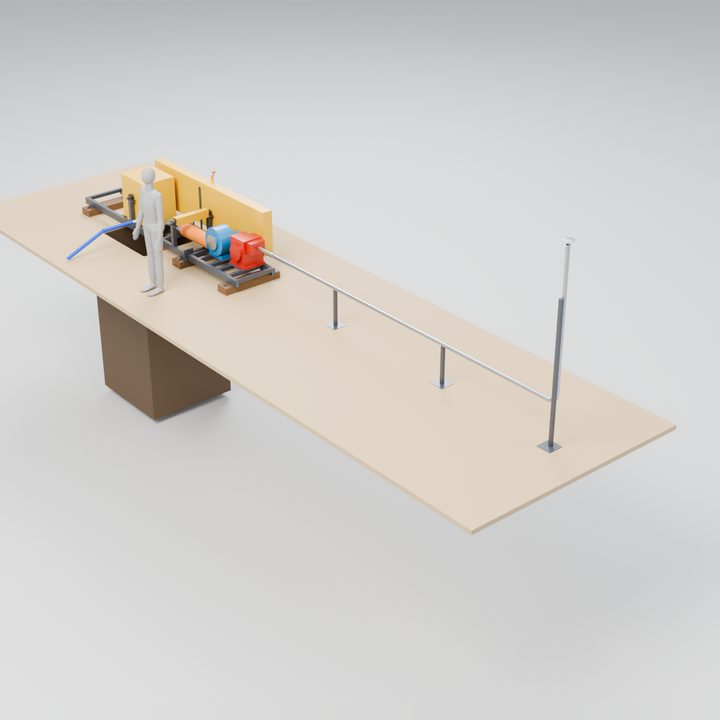
Keeps engines at the surface by driving a mine’s pump and blower from the shaft collar.
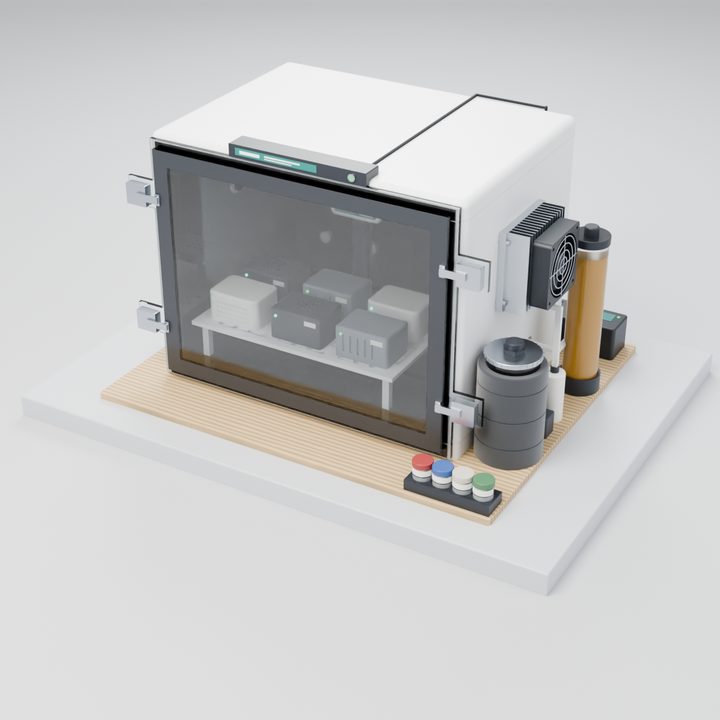
A calibration rig for the lab’s shared field sensor nodes.
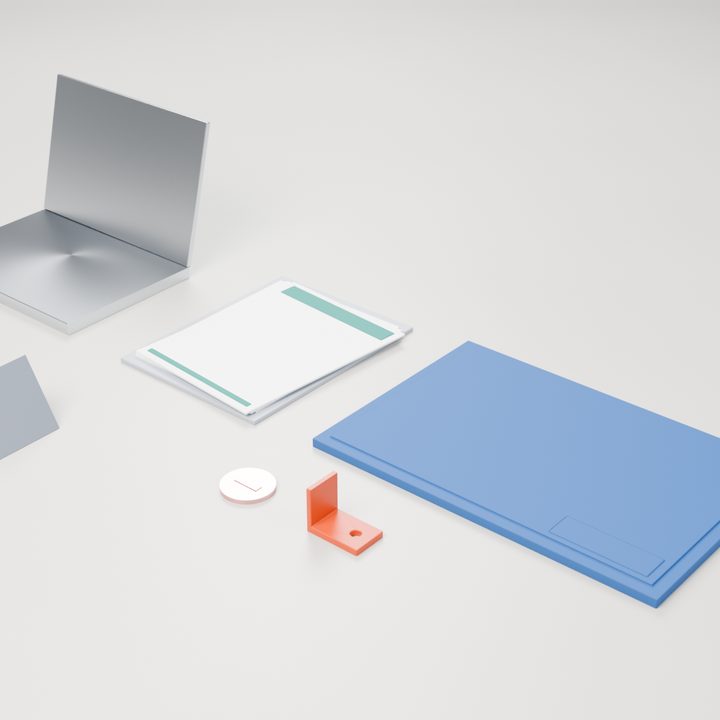
The lab’s own documentation and readiness toolkit, released for any hardware team.
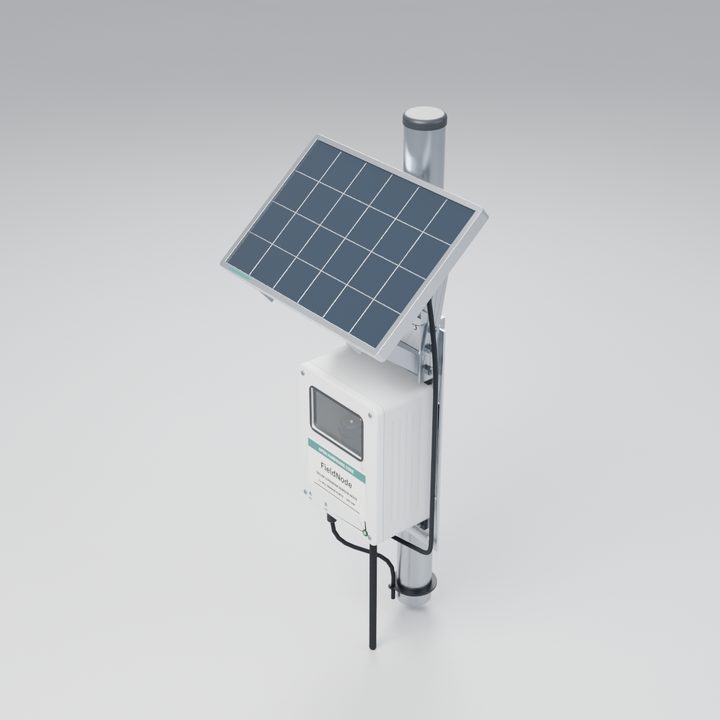
A common solar sensor node that every outdoor lab project starts from.
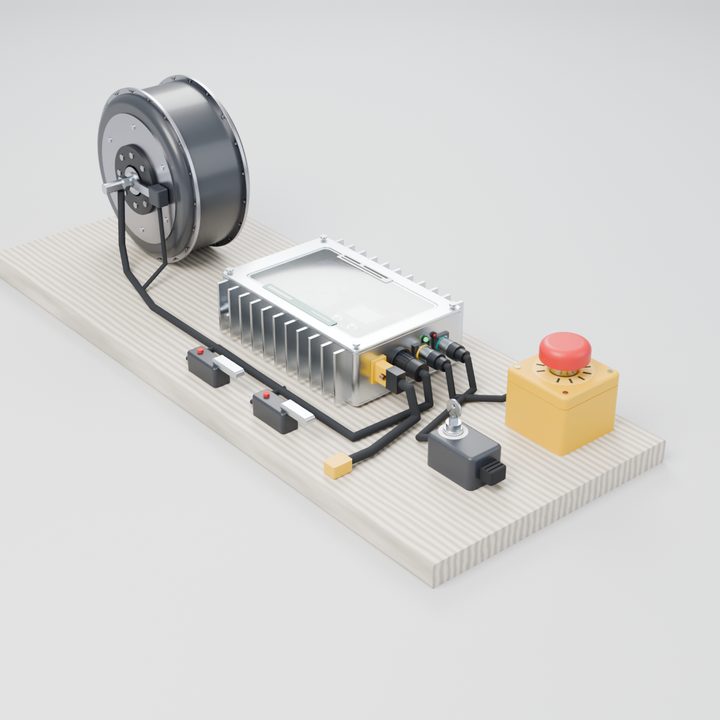
A shared motor controller and safety module for the lab’s moving designs.
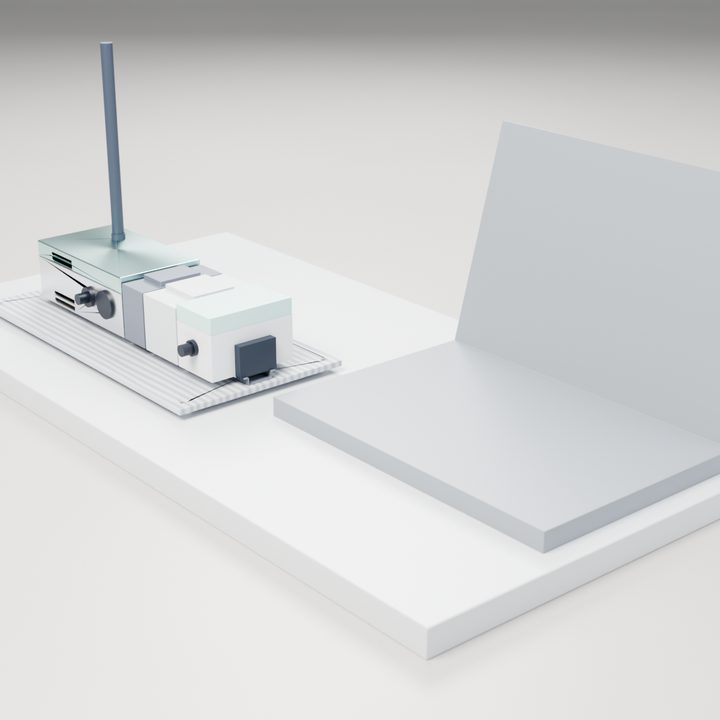
A digital twin starter kit that ties live sensor data to each design model.
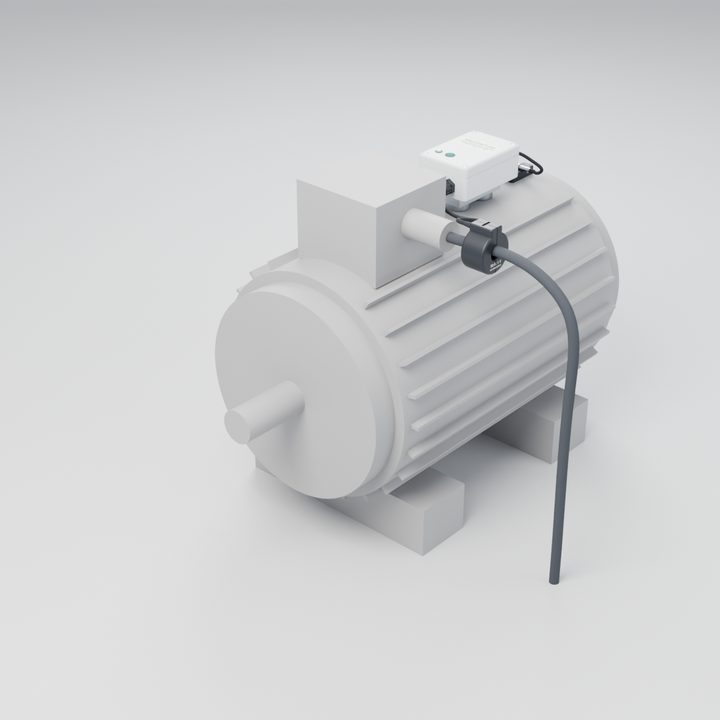
A clip-on monitor that gives old machines early warning of faults.
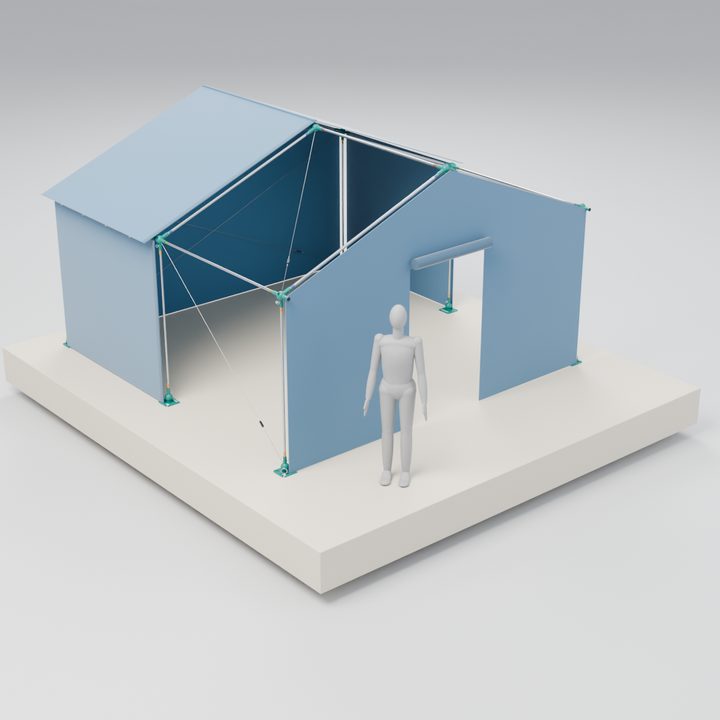
A shelter frame kit from standard conduit and printed nodes.
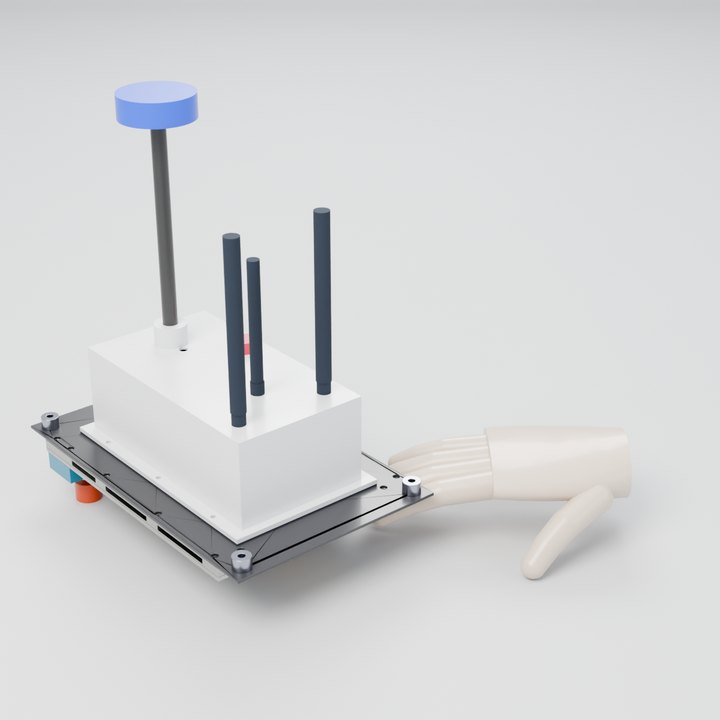
The shared core of the Kitewright open drone family: open autopilot, cold-proof power bus and one standard payload mount.
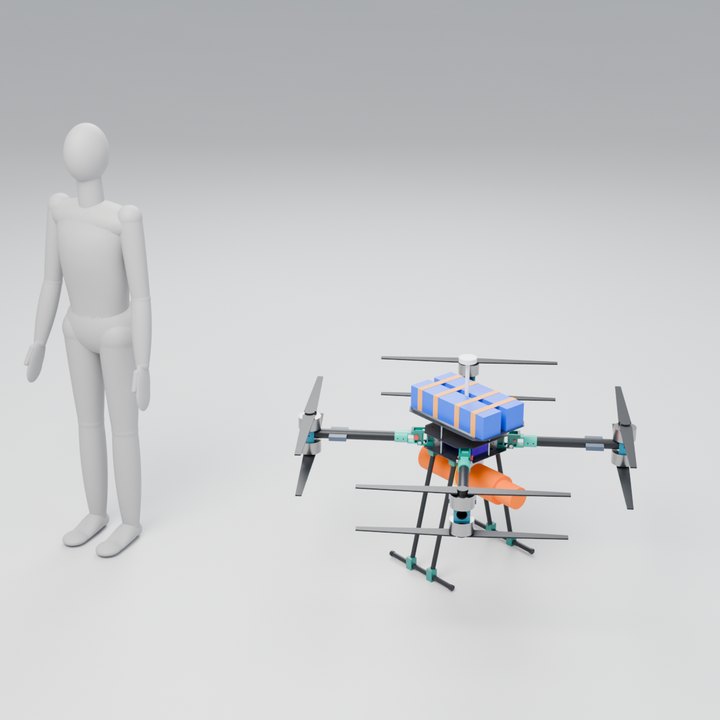
A multirotor that hovers, lifts, winches and flies on a tether in disasters and remote terrain.
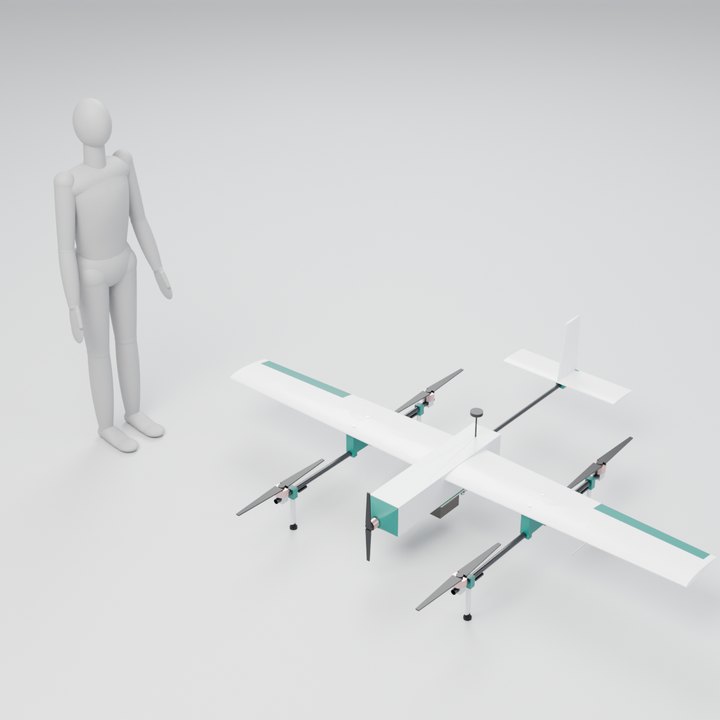
An all-electric quadplane that takes off vertically and cruises on a wing for long surveys.
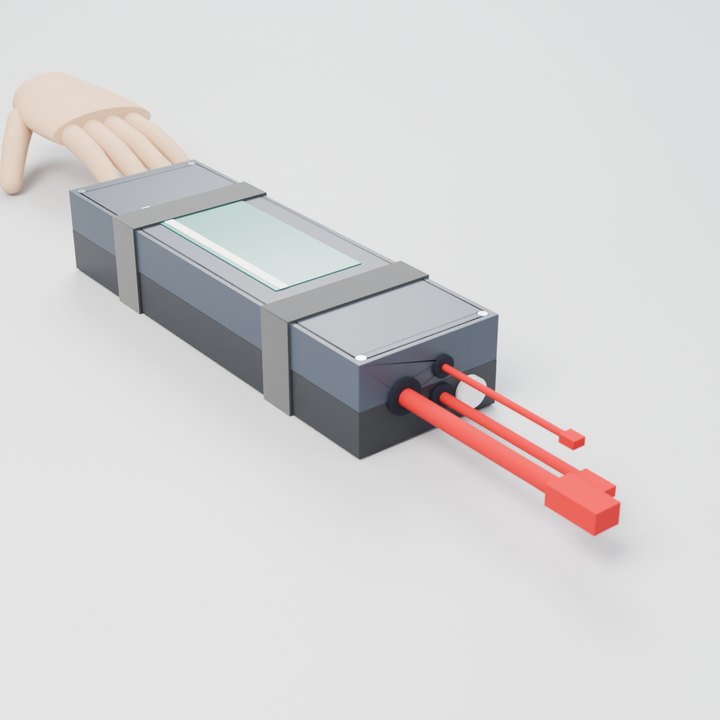
A self-heating battery pack that keeps drone and tool cells warm in deep cold, with the heater outside the cells.
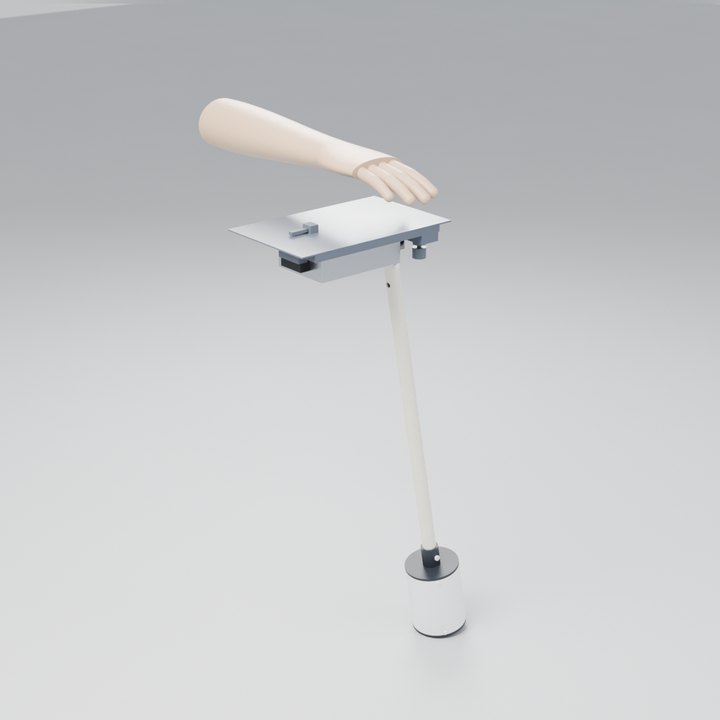
A drone payload that carries an avalanche transceiver receiver to pinpoint buried people fast.
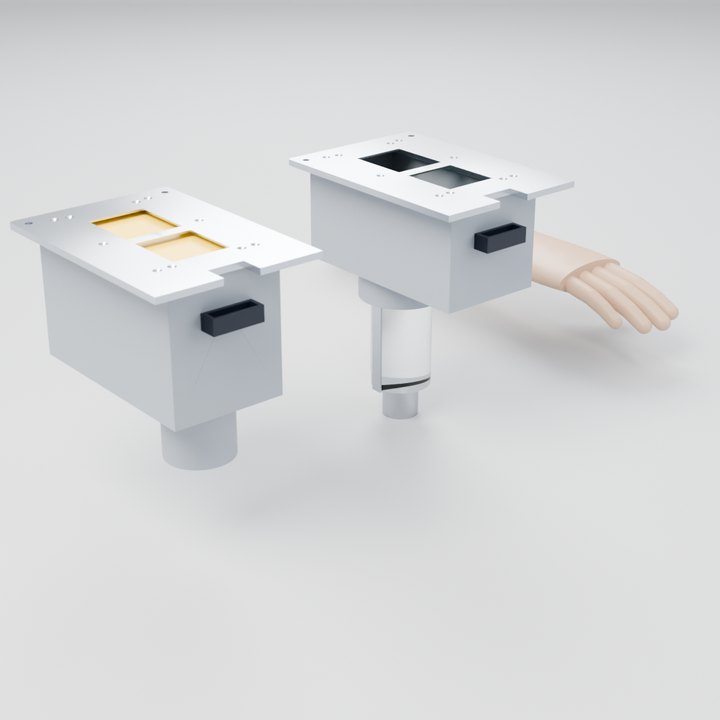
A drone payload that surveys glacial lakes for early signs of an outburst flood.
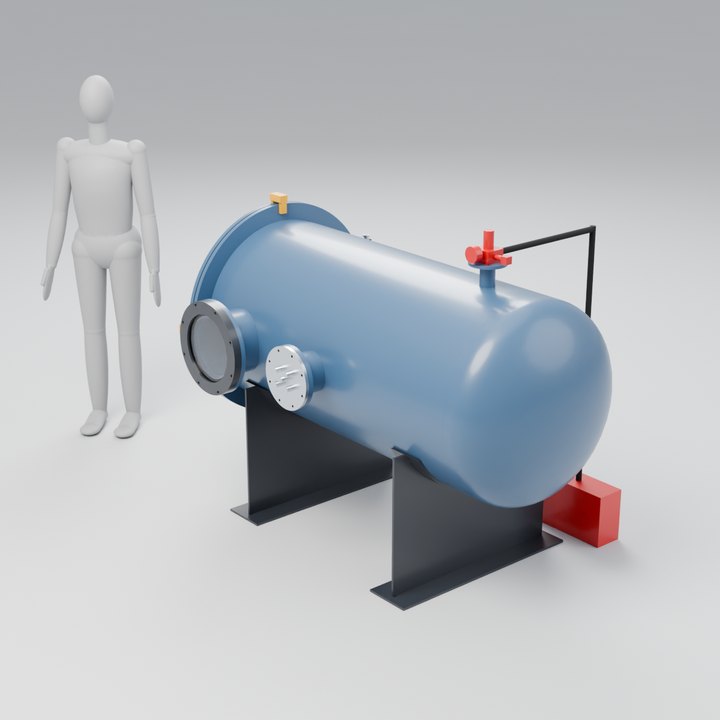
A test chamber that simulates thin air at 5,000 m so propellers and motors can be proven before going up the mountain.
Every design is tracked on the Technology Readiness Level scale, from TRL 3, proven by calculation and model, to TRL 6, a prototype demonstrated in a relevant environment.
Parts people can source, and tolerances a good shop can hold.
Every design stands alone, with the same structure so anyone can find their way.
Every contributor is named, and every design carries an open license.
Issues, improvements and field reports are welcome on every repository.
This site uses Google Analytics to count visits. No ads, no tracking across sites.